
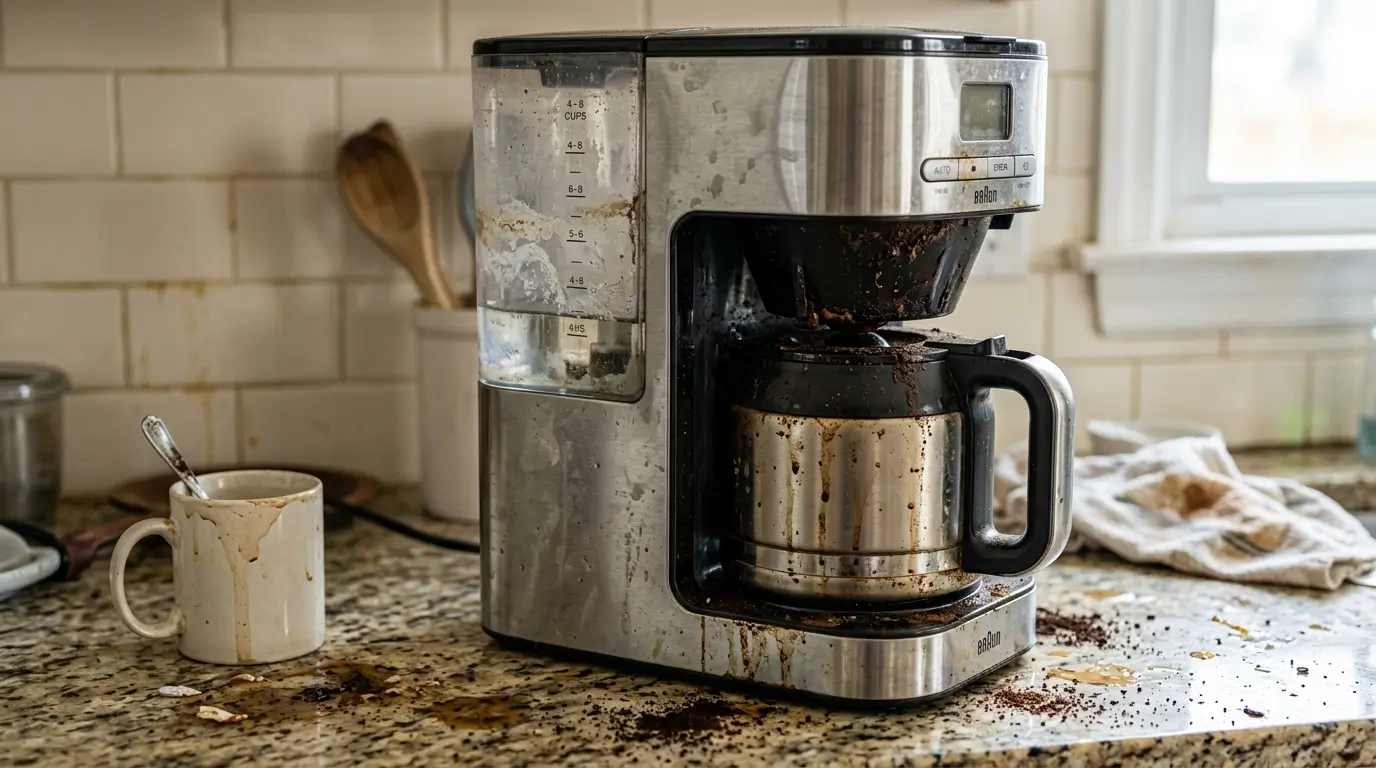
Signs Your Coffee Maker Needs Cleaning (And What Each Sign Is Telling You)
By Amelia Harper | Kitchen and Home Appliance Writer | Updated July 2026
Most people clean their coffee maker when they remember to, which in practice means almost never, or when the machine starts behaving in a way that is impossible to ignore. By the time obvious problems appear, the machine has usually been accumulating mineral scale, bacterial growth, and coffee oil residue for months. The coffee has been slowly getting worse the entire time, and the decline has been so gradual that it felt normal.
Understanding the specific signs that a coffee maker needs cleaning, and understanding what each sign is actually indicating about the condition of the machine, changes the relationship between you and this appliance from reactive to preventive. A coffee maker that is cleaned on schedule, before problems become obvious, produces consistently better coffee and lasts significantly longer than one that is cleaned only when forced to.
I have been writing about kitchen appliances for nearly a decade, and coffee maker maintenance is one of the subjects I return to most often because the gap between what people know and what they need to know is genuinely large. Here is every sign your coffee maker is giving you, and what each one means in practical terms.
Regular cleaning is only part of good coffee maker care. Explore our guide to simple ways to extend your coffee machine’s lifespan and keep your brewer performing at its best for years.
The Coffee Tastes Bitter When It Didn’t Before

Bitterness that has developed gradually in a machine that previously produced balanced coffee is one of the most reliable indicators of accumulated coffee oil residue in the brew path.
Coffee oils are left behind on every surface the brewed coffee contacts during each cycle. The filter basket, the shower head, the carafe, and the internal brew path all accumulate a thin film of these oils with every brew. These oils oxidise relatively quickly and develop a rancid, bitter character that transfers to subsequent brews.
A machine that has not had its removable components washed with soap, rather than just rinsed, in several weeks is almost certainly contributing bitter flavour to the cup from this residue. The bitterness is not coming from the beans or the grind. It is coming from the machine contaminating the fresh coffee with old, rancid oil.
The solution is a thorough cleaning of all removable components, including the carafe, filter basket, and any accessible parts of the brew path, followed by a descaling cycle to address any mineral deposits that may be compounding the problem.
The Coffee Tastes Weak and Flat
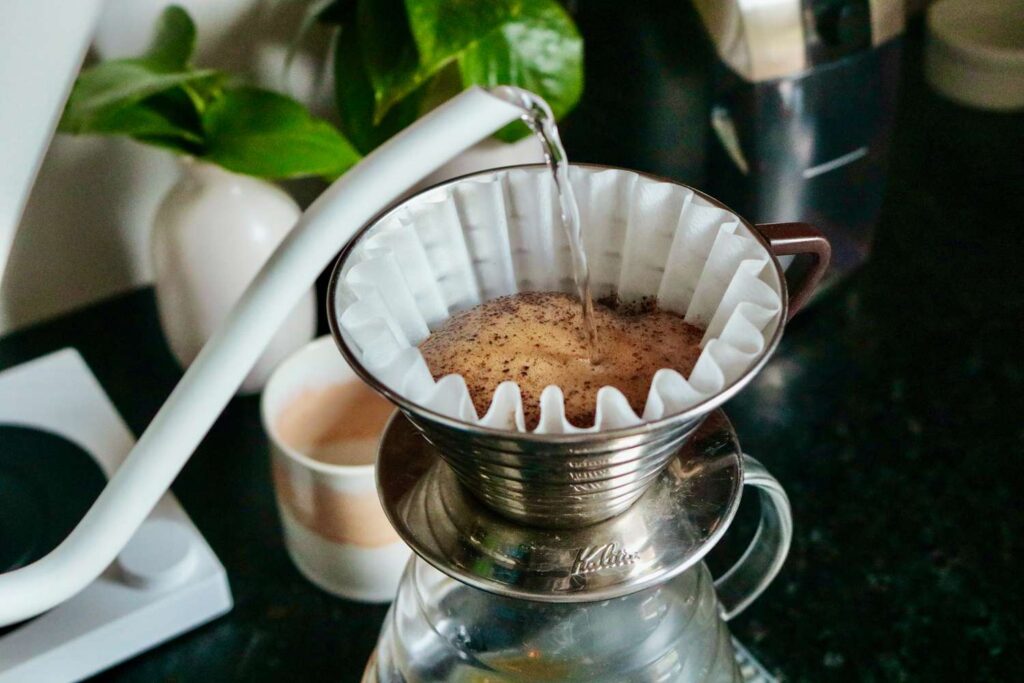
Weak, flat-tasting coffee from a machine that previously produced a good-strength cup is a sign of mineral scale buildup inside the heating element and water passages.
Mineral scale acts as an insulator on the heating element, preventing it from efficiently heating water to the correct brewing temperature. Water that is too cool when it contacts the coffee grounds under-extracts, pulling out the thin, sour, early-stage flavour compounds without reaching the sugars and oils that give coffee its body and sweetness.
Scale also narrows the internal water passages, which slows the flow rate and reduces the effective contact time between water and grounds in some machines. Both effects, lower temperature and altered flow rate, produce weaker, less developed coffee from the same beans and grind that previously made a satisfying cup.
Descaling is the specific maintenance task that addresses this. A thorough descaling cycle dissolves the mineral deposits, restores the heating element’s efficiency, and returns the water passages to their full diameter.
The Brew Cycle Is Taking Longer Than It Used To
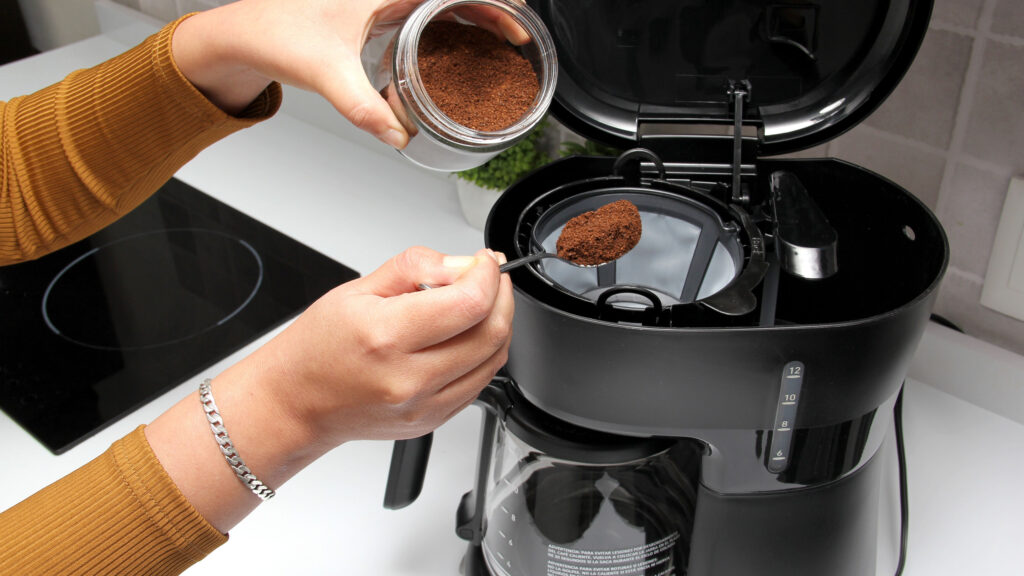
A noticeably slower brew cycle is one of the clearest signals that mineral scale has accumulated to a point where the water passages inside the machine are meaningfully narrowed.
Water that previously flowed through the machine in six minutes taking nine or ten minutes to complete the same brew is not a coincidence or a machine quirk. It is a measurable indicator that the internal passages are restricted, forcing the water pump or gravity-fed system to work harder and longer to move the same volume of water.
This slower flow also affects extraction. A longer-than-normal brew time with narrowed passages changes the rate at which water contacts the grounds, which alters the extraction profile and produces flavour changes alongside the timing change.
Descaling is the appropriate response. After a thorough descaling cycle, a machine that has been running slowly typically returns to its original brew time, which is the most direct confirmation that scale was the cause.
The Coffee Is Not as Hot as It Used to Be
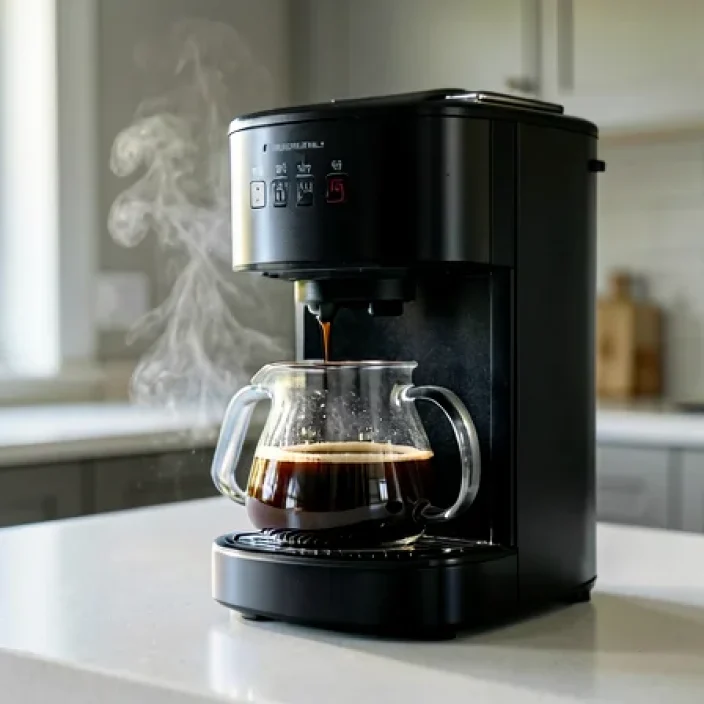
Coffee temperature dropping over time is a symptom of heating element efficiency decline, and mineral scale is the primary cause of that decline in a machine that is otherwise functioning normally.
The heating element in a coffee maker is responsible for two things: heating the water to the correct brewing temperature as it passes through, and maintaining the warming plate or thermal carafe at the correct serving temperature after brewing. When scale builds up on the element, it reduces heat transfer efficiency in both applications.
Coffee that arrives in the carafe at a noticeably lower temperature than it used to, or that cools more quickly than expected, is telling you that the heating element is working against an insulating layer of scale and losing the battle for temperature maintenance.
Descaling removes that insulating layer and restores the heating element’s direct contact with the water and the carafe base, returning brewing and serving temperature to their designed levels.
A clean coffee maker is the first step toward better-tasting coffee. Discover how to brew coffee that tastes like your favorite café with simple tips that improve flavor and consistency.
There Are White or Brown Deposits Visible Inside the Machine
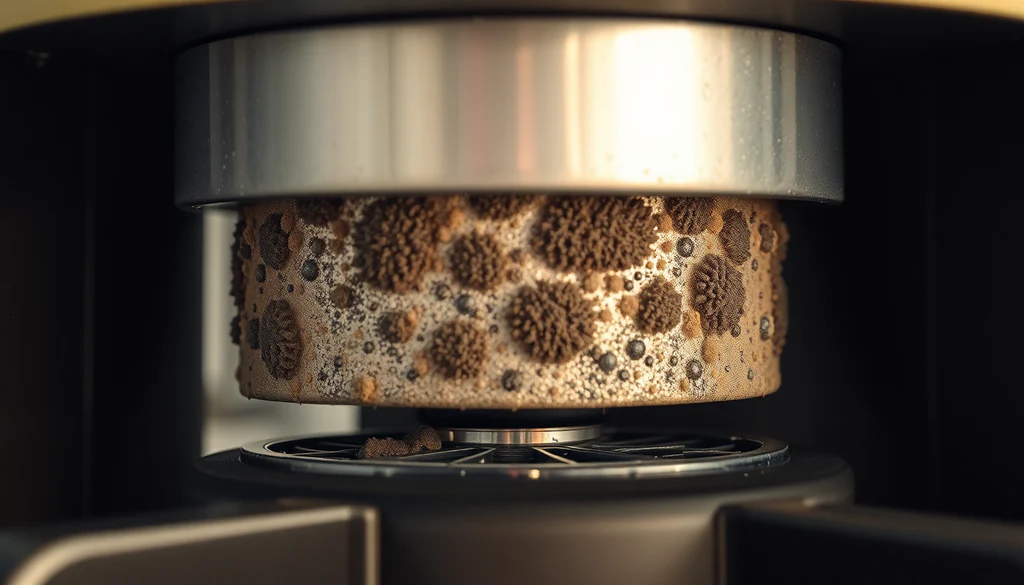
Visible mineral deposits are the most direct evidence of scale buildup, and their appearance represents mineral accumulation that has progressed far enough to be seen without any tools or testing.
White deposits, which are calcium and magnesium carbonate from hard water, are most commonly visible around the water reservoir’s interior walls, on the shower head that disperses water over the grounds, and around the brew basket seat. Brown deposits are coffee residue mixed with mineral scale and are most visible in the basket area and around the carafe spout.
The presence of visible deposits means that invisible accumulation inside the water passages and on the heating element is almost certainly more advanced than what is visible on the external surfaces. Visible deposits are the tip of the scale problem, not the full extent of it.
Both descaling for the mineral component and thorough surface cleaning for the residue component are needed when visible deposits have developed.
The Machine Is Making New Noises
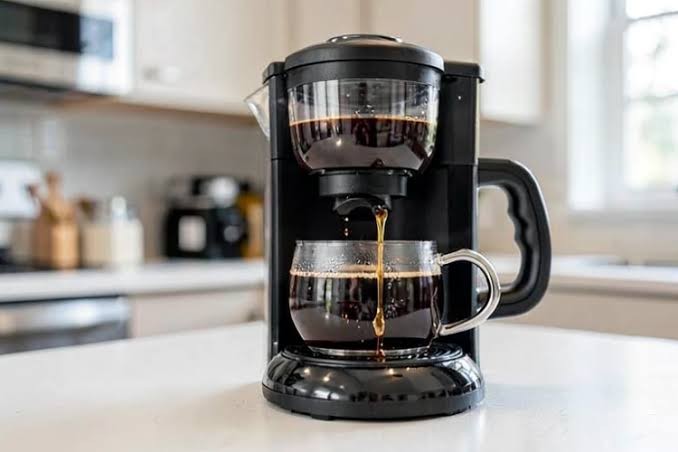
Gurgling, hissing, spitting, or irregular pumping sounds that were not present when the machine was newer are acoustic indicators of water passage restriction, air pocket formation from scale buildup, or heating irregularities caused by scale on the element.
Scale inside the heating element or water passages changes how water moves through the system. Restricted passages force water through at unusual pressure and velocity, producing sounds that differ from the normal quiet percolating of a clean machine. Air pockets formed by irregular scale deposits create gurgling sounds as water moves around the blockage.
A machine that spits or sputters water unevenly into the brew basket rather than distributing it in a steady shower is often experiencing partial blockage in the shower head, which is one of the first places scale becomes significant enough to affect water distribution.
Descaling addresses all of these acoustic symptoms at their root cause. If unusual sounds persist after a complete descaling cycle, the blockage may be severe enough to warrant contacting the manufacturer or considering professional service.
The Carafe Has Developed a Brown Stain That Doesn’t Rinse Away
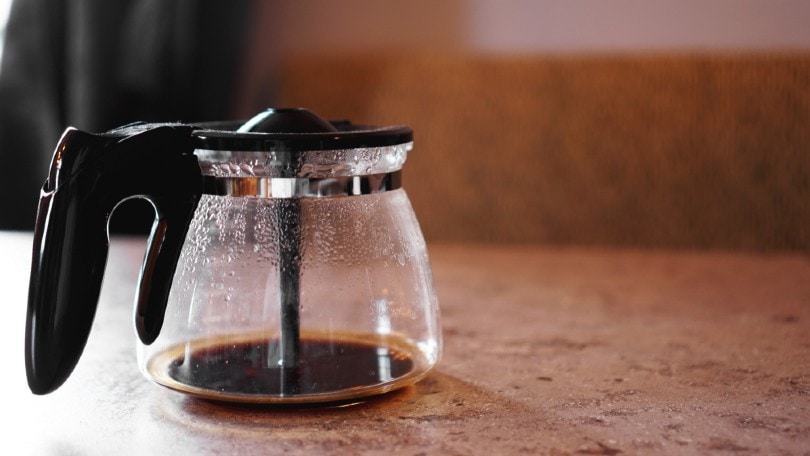
A carafe that develops a persistent brown interior stain, one that does not come away with a simple rinse or even with a regular washing, has accumulated coffee oil residue that has polymerised on the glass or stainless steel surface.
Coffee oils, over repeated exposure to heat inside the carafe, undergo a chemical change called polymerisation that bonds them more firmly to the carafe surface than fresh oils. This polymerised layer is what creates the brown, orange-tinged staining that gives old carafes their characteristic appearance and that contributes a stale, bitter flavour to every subsequent cup poured from it.
Regular rinsing does not dissolve polymerised oil. Washing with dish soap and a soft sponge removes the surface layer but leaves the deeper polymerised residue. A targeted cleaning treatment, such as soaking with a mixture of hot water and baking soda or a dedicated coffee equipment cleaning tablet, is what dissolves this stubborn residue.
The carafe cleaning is separate from the machine descaling and needs to be done independently, often more frequently, because the carafe accumulates residue faster than the machine’s internal components.
The Machine Has a Musty or Stale Smell
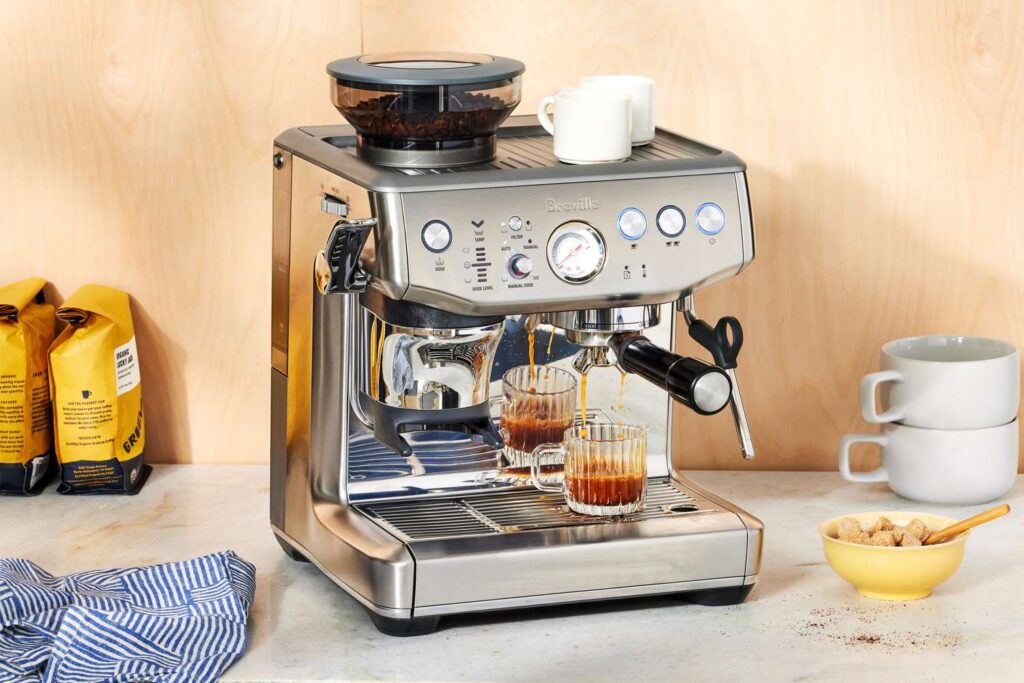
A musty, stale, or slightly sour smell coming from the machine when it is in operation, or when you open the water reservoir, indicates bacterial growth inside the machine’s water-contact surfaces.
The warm, dark interior of a coffee maker with residual moisture from each brew cycle is hospitable to bacterial growth, particularly when the machine is used infrequently and water sits stagnant in the reservoir for extended periods. Mould and mildew are also possible in machines that are not dried between uses.
The smell is the machine’s way of signalling that the cleaning schedule has fallen behind the growth rate of this microbial activity. It is particularly common in reservoirs that are never emptied between uses, in machines stored in humid environments, and in households where the machine sits unused for days at a time.
A complete cleaning cycle that addresses both the reservoir interior and the internal brew path is the appropriate response. In cases of visible mould growth, a solution of white vinegar and water run through the machine, followed by two plain water rinse cycles, addresses the contamination effectively.
The Filter Basket Has Residue That Doesn’t Come Off with Water
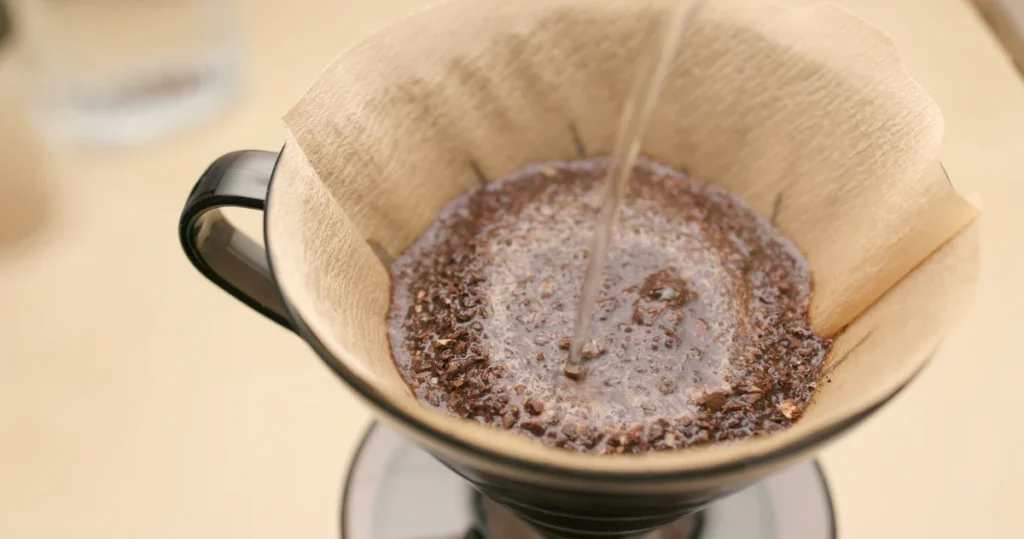
A filter basket that has visible brown residue in its holes or on its surface that does not come off under running water has accumulated coffee oil and fine particle buildup that water alone cannot remove.
The small holes in a filter basket, whether the basket itself is metal mesh or plastic, are designed to allow water to flow through freely at a specific rate. When these holes become partially blocked with oil-bonded residue, the water flow through the basket is restricted in a way that affects extraction time and evenness.
Restricted basket holes produce uneven extraction, where some areas of the grounds receive water at a different rate than others. This contributes to flavour inconsistency across the brew and can produce a mix of over-extracted and under-extracted notes in the same cup.
Soaking the filter basket in a solution of hot water with a small amount of dish soap or white vinegar for fifteen minutes, followed by scrubbing the holes with a small brush, dissolves this residue and restores the basket’s full flow capacity.
The Coffee Maker’s Descaling Light Is On
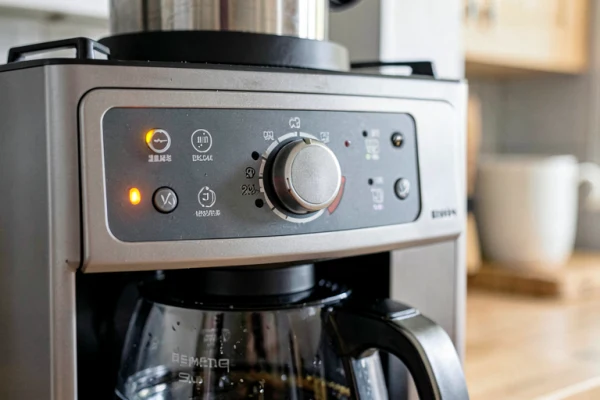
Many modern coffee makers include a built-in indicator light or digital notification that triggers when the machine’s internal counter determines that descaling is due based on brewing volume.
This indicator is not a suggestion. It is the machine’s engineering making a specific determination, based on the number of brew cycles completed since the last descaling, that mineral scale has reached a level requiring treatment. Ignoring it and continuing to brew without descaling allows scale to compound.
The descaling indicator is calibrated based on an average water hardness assumption. In areas with very hard water, the actual scale accumulation may be more severe than the indicator reflects, meaning the light may not trigger early enough for the conditions.
Treating the descaling indicator as a firm maintenance deadline rather than a loose suggestion keeps the machine in the operating condition it was designed to maintain throughout its service life.
If your coffee maker still isn’t performing well after cleaning, it may be time for an upgrade. Explore our guide to the top coffee machines for home brewing and find the perfect model for your daily cup.
The Brew Volume Has Changed
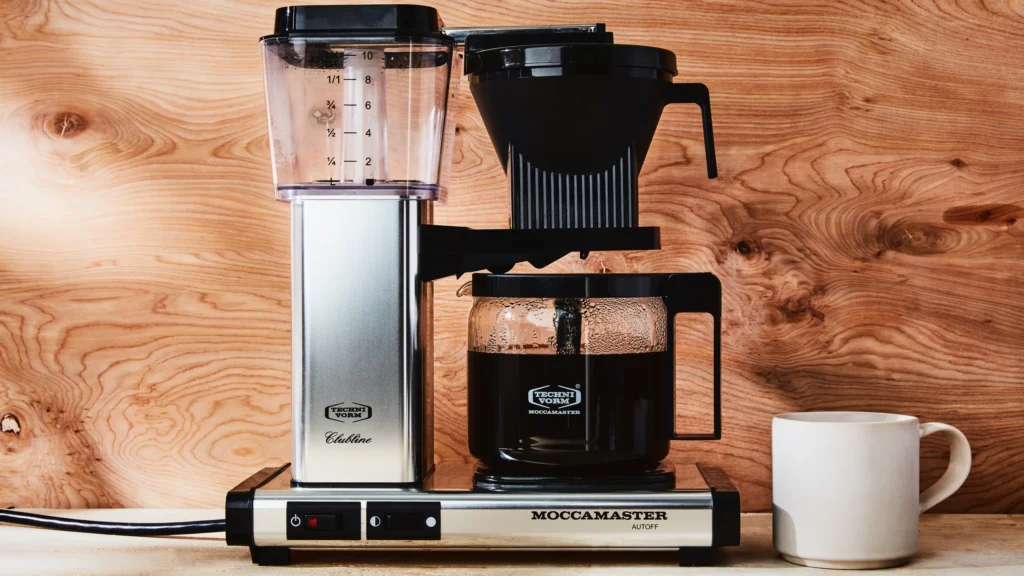
A coffee maker that is consistently producing slightly less coffee per cycle than it previously did with the same water fill and the same settings is losing volume somewhere in the system.
The primary mechanism is mineral scale partially blocking the water passages inside the machine. Water that cannot flow completely through the system does not make it to the brew basket. Some volume is left behind in the restricted passages and eventually drains back into the reservoir or is lost through evaporation.
A secondary mechanism is scale on the heating element causing water to evaporate inside the machine before it reaches the grounds. Both mechanisms produce the same observable outcome: less coffee in the carafe than expected from the water volume put in.
Tracking brew volume is one of the more sensitive early indicators of scale buildup because the reduction often becomes noticeable before the flavour impact becomes obvious. A machine that is producing visibly less coffee than it used to should be descaled even if the coffee still tastes acceptable.
It Has Been More Than Three Months Since the Last Cleaning
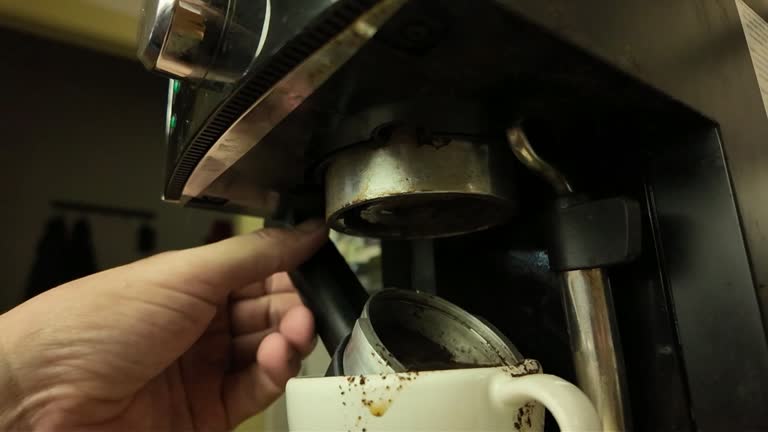
This sign differs from the others because it is not a symptom of a problem that has already developed. It is the absence of a maintenance action that allows problems to develop without any early warning.
A coffee maker used daily accumulates mineral deposits, coffee oil residue, and bacterial growth continuously from the moment it is first used. These accumulations do not announce themselves until they reach a threshold that produces noticeable symptoms. The period between the start of accumulation and the appearance of obvious symptoms is when maintenance is most effective and least effortful.
Descaling every one to three months, based on local water hardness, and cleaning removable components weekly ensures that accumulation is addressed before it reaches the threshold where it affects performance or requires more intensive cleaning to address.
The machine’s performance will never actually improve from this maintenance schedule compared to its starting state. What it will do is not decline, which is the maintenance goal. A coffee maker that is cleaned on schedule performs consistently well throughout its service life rather than gradually producing worse coffee until it fails.
The Outside of the Machine Looks Dirty
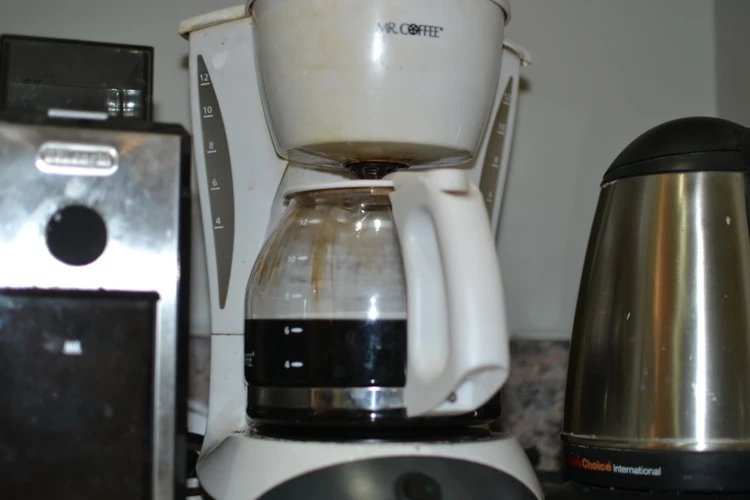
The exterior condition of a coffee maker is a reasonable indicator of the level of attention the machine receives overall, and a consistently dirty exterior often reflects a cleaning schedule that has fallen behind in all areas including the interior.
The exterior of a coffee maker, particularly the area around the brew basket, the warming plate, and the drip channel that channels coffee from the brew head into the basket, accumulates coffee drips and splatter with every cycle. These drips dry and darken with the heat of the warming plate, producing the dark, baked-on marks that characterise a coffee maker that is not regularly wiped down.
Addressing the exterior as a routine step every time the machine is used gives the machine a consistently maintained appearance and, more practically, keeps the drip channel clear of the partial blockages that baked-on drips can create over time.
The exterior cleaning is a thirty-second task with a damp cloth. Its completion as a reflex rather than a deliberate step is what keeps the machine looking and functioning as it should.
The Water Reservoir Has a Slimy or Slick Feel
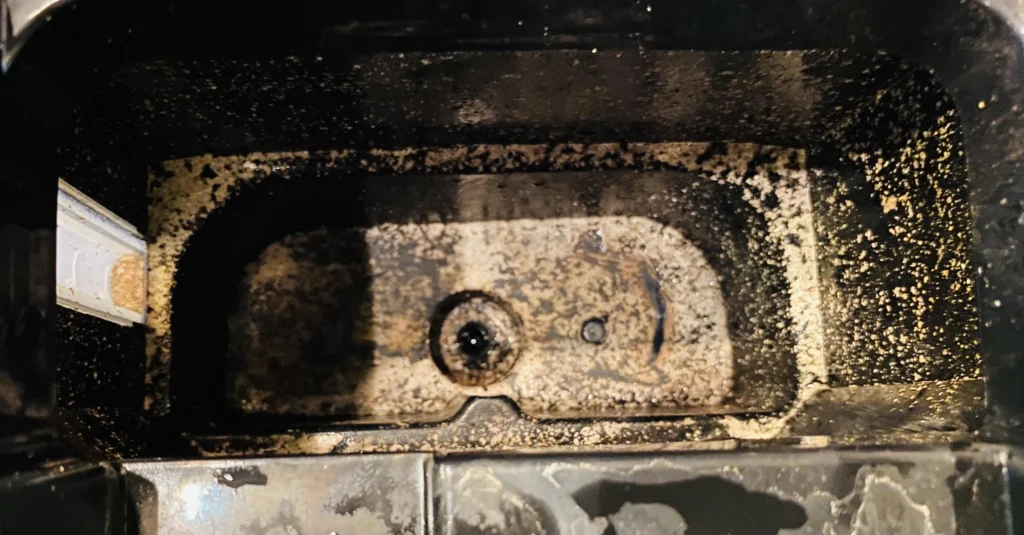
A reservoir interior that feels slightly slick or biofilm-coated when you run a finger along its surface is the tactile indication of bacterial colonisation that visual inspection alone may not reveal.
Biofilm is a thin layer of microbial growth that adheres to surfaces in wet, enclosed environments. In a coffee maker reservoir, it forms when water sits for extended periods, particularly in warm conditions, and when the reservoir is never cleaned with anything beyond a water rinse.
The presence of biofilm in the reservoir does not necessarily produce a detectable taste in the brewed coffee, particularly because the brewing temperature is high enough to kill many bacteria. But it is an unhygienic condition that should be addressed, and its presence indicates that the reservoir cleaning schedule has been inadequate for the conditions.
Emptying the reservoir completely after each use or each day of use, wiping the interior with a cloth dampened with white vinegar monthly, and thoroughly rinsing before refilling addresses biofilm formation effectively.
The Coffee Grounds Are Backing Up in the Filter Basket
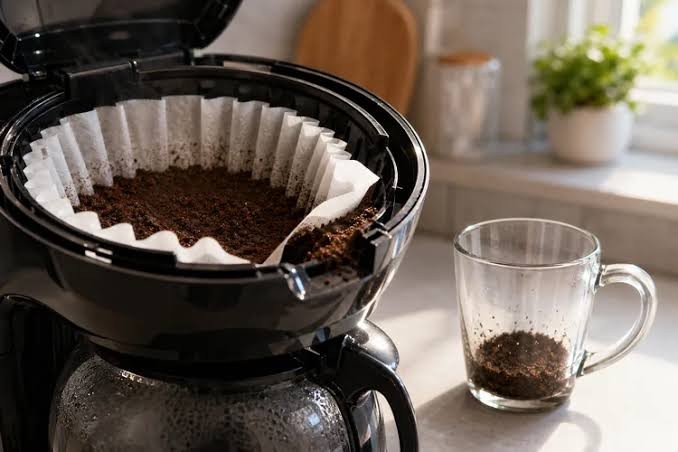
Wet coffee grounds sitting above the normal level in the filter basket after a brew cycle, or visible water overflow during the brew cycle from the basket overflowing, indicates a restricted flow through the filter area that is preventing water and brewed coffee from draining at the rate needed to match the incoming water flow.
The restriction can be caused by grounds in the wrong grind size for the basket, by an overfilled basket, or by buildup of coffee residue in the basket’s drain holes that has reduced their effective diameter. The last of these is the maintenance-related cause that cleaning addresses.
A basket that flows too slowly creates a situation where incoming water accumulates faster than it can drain through the grounds and out the basket bottom. This water overflow can contact the machine’s exterior components and, over time, contribute to water damage in areas not designed to be wet.
Cleaning the basket holes thoroughly with a small brush and checking that the drain path from the basket to the carafe is unobstructed addresses this symptom when it is caused by residue rather than grind size or overfilling.
Bringing the Signs Together
Every sign in this article is the machine communicating something specific about its current condition. The flavour signs indicate residue or scale affecting extraction quality. The performance signs indicate scale affecting flow rate, temperature, or volume. The sensory signs including smell, sound, and visible deposits indicate conditions that cleaning and descaling directly address.
None of these signs require a service technician or a replacement machine to resolve. They require recognising what is being communicated and responding with the appropriate cleaning action before the condition progresses further.
A coffee maker that is cleaned when these signs appear, rather than when the problems become severe, stays in good condition indefinitely and produces consistently good coffee throughout its service life. The machine is already telling you what it needs. Knowing how to listen is all the maintenance knowledge required.