Why Your Coffee Tastes Bitter (Every Reason Explained, With Solutions)
By Amelia Harper | Kitchen and Home Improvement Writer | Updated July 2026
Bitter coffee is one of the most common kitchen frustrations, and it is also one of the most misunderstood. Most people assume the problem is the beans, or the machine, or some quality issue they cannot control. In reality, bitter coffee almost always comes from something specific and correctable that is happening during the brewing process.
Understanding why coffee turns bitter, at the level of what is actually happening chemically and physically, is the fastest path to fixing it. Once you know the mechanism behind the bitterness, the solution becomes obvious rather than guesswork.
I have been writing about kitchen appliances and home brewing for nearly a decade. This article covers every cause of bitter coffee with a clear explanation of the mechanism, followed by the specific solution for each cause, and closes with the most commonly asked questions about coffee bitterness answered directly.
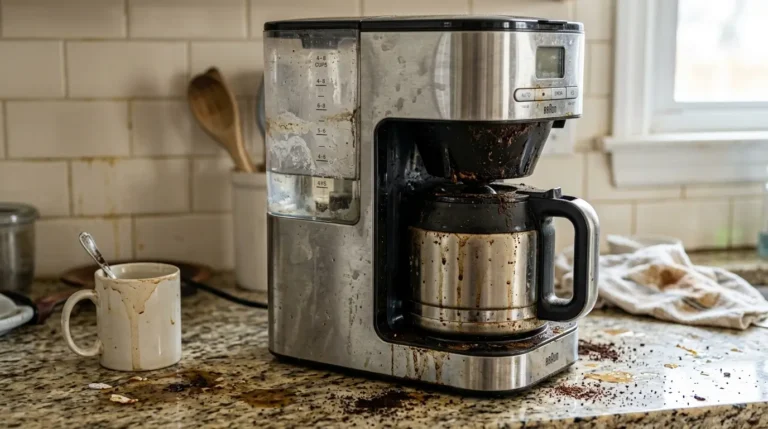
A dirty coffee maker can be one of the biggest reasons for bitter-tasting coffee. Learn how to tell when your coffee machine needs a deep clean to restore better flavor and brewing performance.
Why Your Coffee Tastes Bitter
1. The Water Is Too Hot
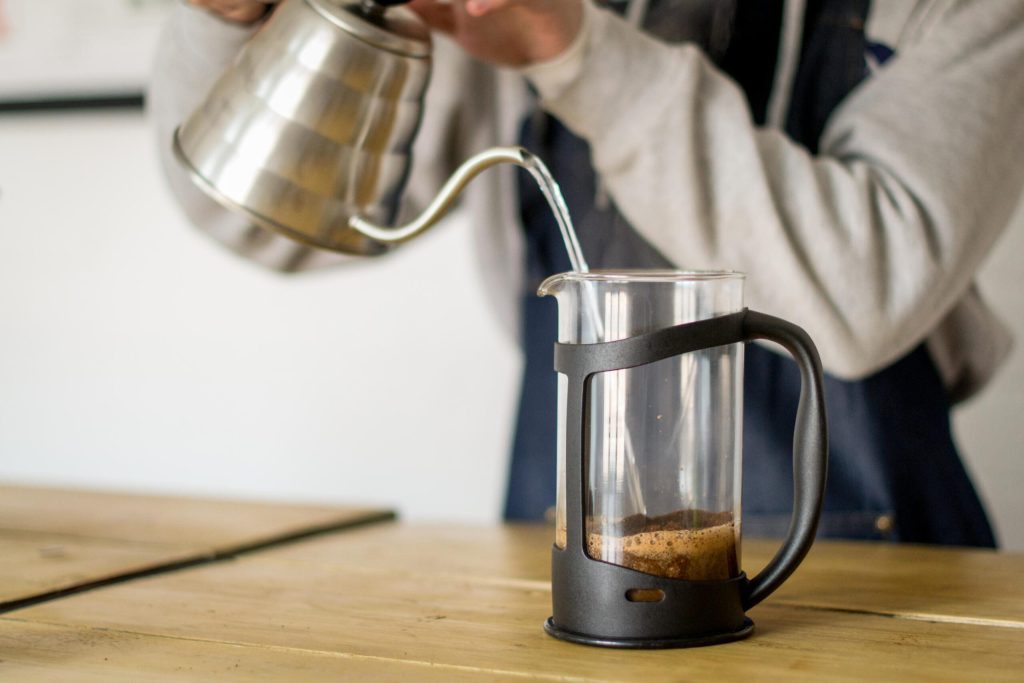
The most common single cause of bitter home-brewed coffee is water that is too hot when it contacts the coffee grounds. Most people assume this only applies to pour-over or French press brewing, but it affects drip coffee makers just as much.
The ideal brewing temperature range is 195 to 205 degrees Fahrenheit. Water above this range extracts the bitter compounds in coffee, specifically phenolic acids and chlorogenic acids, faster and more aggressively than the balanced flavour compounds. The result is a cup dominated by bitterness that overshadows everything else the coffee could have offered.
Water at a full rolling boil, which is 212 degrees Fahrenheit at sea level, is too hot for brewing. Many budget and mid-range drip coffee machines also run hotter than the ideal range, which is a machine limitation rather than a user error but is worth understanding as a source of bitterness.
At higher elevations, water boils at a lower temperature because atmospheric pressure is reduced. At 5,000 feet, water boils at approximately 202 degrees Fahrenheit, which puts it within the ideal brewing range. This is one reason why pour-over brewing works reliably at high altitude using water brought just to boiling.
2. The Coffee Is Over-Extracted
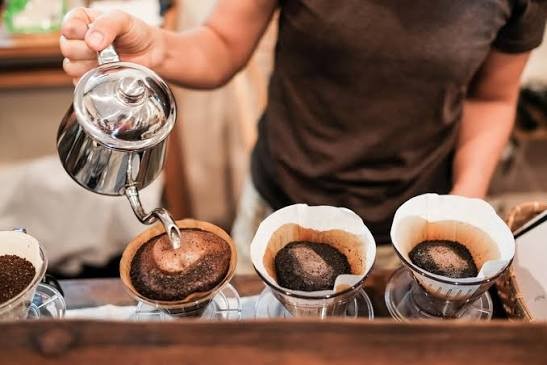
Over-extraction is the technical term for what happens when water is in contact with coffee grounds for too long, or when the grind is too fine for the brewing method, allowing water to pull too many compounds from the grounds.
Coffee extraction happens in stages. The first compounds extracted are the pleasant ones: fruity acids, sweetness, and aromatic compounds. As extraction continues, progressively heavier and more bitter compounds are pulled from the grounds. A properly extracted cup stops at the right point. An over-extracted cup continues past this point and collects the bitter compounds.
Over-extraction can happen from too fine a grind, too long a brew time, too high a water temperature, or too high a coffee-to-water ratio. In most cases it is a combination of two or more of these factors working together.
The tell-tale flavour signature of over-extraction is bitterness paired with a dry, astringent sensation at the back of the palate rather than the clean finish of a well-extracted cup.
3. The Grind Is Too Fine
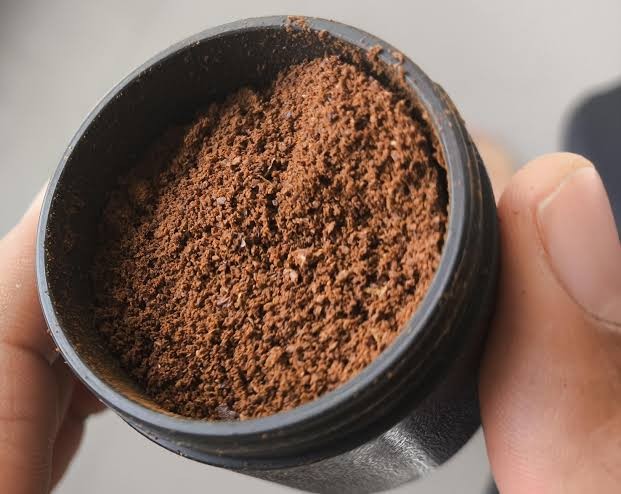
Grind size controls how much surface area of the coffee is exposed to water during brewing. A finer grind produces more surface area, which increases the extraction rate. When the grind is finer than the brewing method requires, extraction happens too quickly and too completely, pulling bitter compounds that a coarser grind would leave behind.
Espresso uses a very fine grind because water passes through under high pressure in only twenty to thirty seconds. Drip coffee uses a medium grind because water flows through by gravity over several minutes. French press uses a coarse grind because the grounds steep in contact with water for four minutes. Each grind size is calibrated to the brewing method’s contact time.
Using espresso-fine grounds in a drip machine produces severely over-extracted, bitter coffee. Even grinding slightly finer than the ideal medium for a drip machine, without adjusting anything else, produces a noticeably more bitter cup than the correct grind.
Pre-ground coffee packaged for espresso is one of the most common sources of this problem in home kitchens, where it is used in a drip machine without consideration of the grind size mismatch.
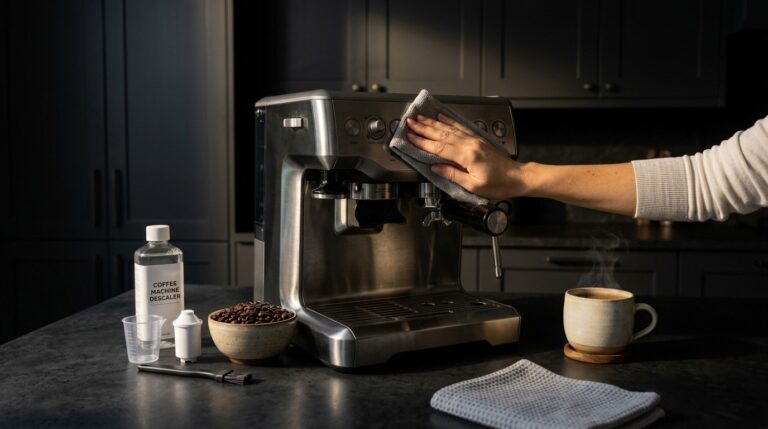
Proper maintenance not only improves flavor but also helps your machine last longer. Check out our guide to keeping your coffee maker in top condition with simple care and maintenance tips.
4. The Coffee Beans Are Over-Roasted
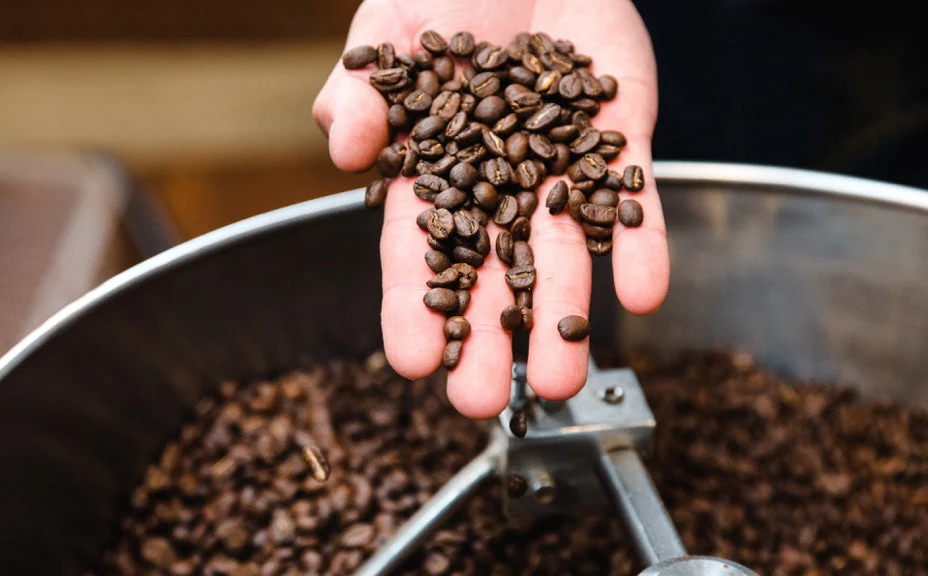
Roasting transforms green coffee beans through a series of chemical reactions that develop the flavours, aromas, and colours associated with roasted coffee. The further the roast is taken, the more the original bean character is replaced by roast character, and dark roasts specifically develop more of the bitter-tasting compounds produced by extended heat exposure.
Very dark roasts, often labelled French roast, Italian roast, or espresso roast, are roasted past the point where most of the original bean character remains. What is left is primarily roast flavour, which skews heavily bitter for most palates.
This is not a flaw. Some people genuinely prefer very dark roasts. But for someone who finds their coffee consistently bitter and is using a very dark roast, switching to a medium roast from the same origin is likely to resolve the bitterness without any other change to the brewing process.
Roast date also affects bitterness. Coffee that has aged past its optimal freshness window, beyond two to four weeks after roasting, undergoes oxidation that produces stale, flat, and often bitter flavour characteristics regardless of the original roast level.
5. The Coffee-to-Water Ratio Is Wrong
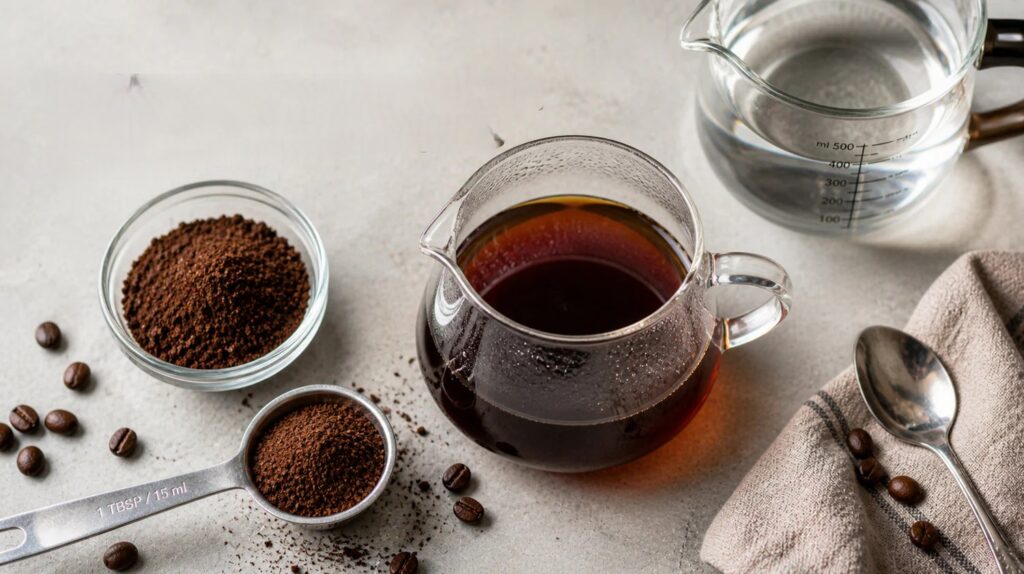
Using too much coffee relative to the amount of water concentrates every aspect of the brew, including the bitter compounds. A ratio that produces a pleasantly strong cup from a medium roast with the correct grind can produce an aggressively bitter cup if the grind is slightly too fine or the water is slightly too hot.
The Specialty Coffee Association recommends approximately 55 grams of coffee per litre of water as a baseline for drip brewing. Many people use significantly more than this because they want strong coffee, but strength achieved through over-concentration rather than through proper extraction produces bitterness alongside intensity.
Volume measurement using scoops is inherently inconsistent because different coffee densities and different grind coarsenesses produce different masses per unit volume. A tablespoon of a fine-ground dark roast contains more coffee by weight than a tablespoon of a coarse-ground light roast, meaning volume measurement produces different extraction outcomes even when the scoop size is consistent.
6. The Equipment Is Dirty
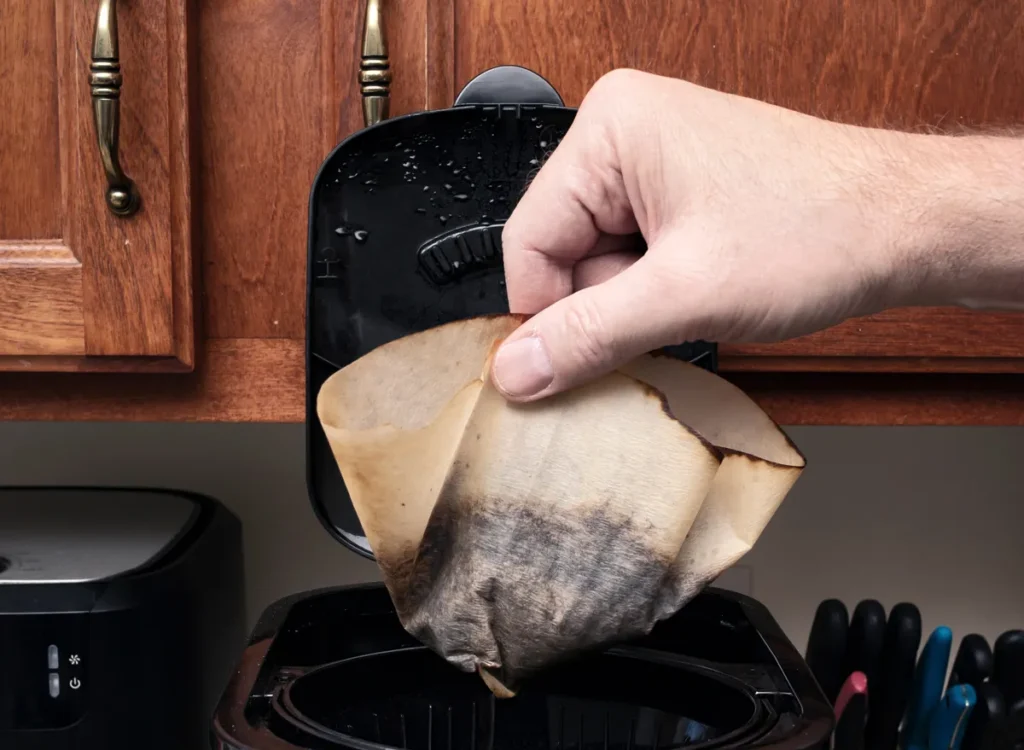
Coffee oil residue that has accumulated on the machine’s internal surfaces, the filter basket, the carafe, and the brew path oxidises and develops a rancid, bitter flavour over time. This flavour transfers to every subsequent brew, adding a background bitterness that has nothing to do with the coffee itself.
A machine that produces consistently bitter coffee despite correct grind, temperature, and ratio is very often simply dirty. The coffee that tasted fine when the machine was newer was not better coffee; the machine was cleaner, and the residue was not yet significant enough to dominate the flavour.
Mineral scale on the heating element is a separate but related contributor to bitterness. Scale forces the element to work harder to reach temperature, which can result in temperature overshooting into the range that produces over-extraction bitterness.
Both issues, residue and scale, are maintenance problems that respond directly to cleaning and descaling rather than to any change in coffee or technique.
7. The Water Quality Is Poor
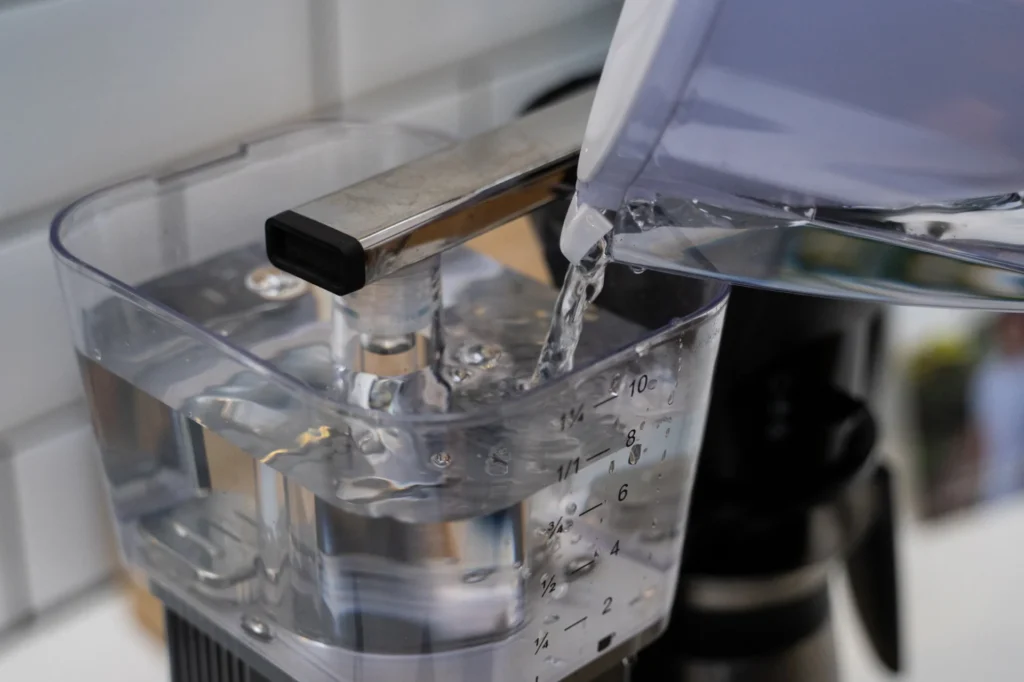
Water that contains high levels of chlorine, chloramine, or other treatment chemicals produces off-flavours in brewed coffee that are often perceived as bitterness or a chemical edge to the taste. These compounds interact with coffee’s flavour compounds during brewing in ways that alter the finished cup.
Very hard water with high mineral content can also produce bitterness through a mechanism related to extraction. The excess minerals in very hard water compete with the coffee’s flavour compounds during extraction and alter the extraction profile in ways that produce less sweet and more bitter results.
Very soft or distilled water, on the other hand, lacks the mineral content that actually facilitates proper extraction, producing flat, under-extracted coffee that can taste sour at lower concentrations and oddly flat and bitter at higher concentrations.
If your coffee tastes bitter, other brewing mistakes could also be affecting the flavor. Explore our guide on how to make coffee taste more like your favorite café for simple tips that improve every cup.
8. The Coffee Has Gone Stale
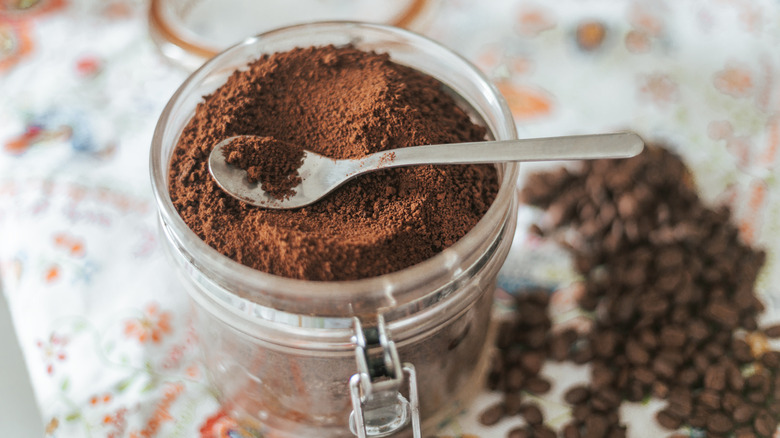
Stale coffee produces a specific kind of bitterness that is not the same as over-extraction bitterness but is equally unpleasant. The pleasant volatile aromatics that give fresh coffee its sweetness, brightness, and complexity dissipate from ground or whole bean coffee through oxidation, leaving behind a flat, one-dimensional flavour profile dominated by bitter and earthy notes.
Stale pre-ground coffee produces this kind of bitterness reliably because the surface area exposed to oxygen is maximised from the moment of grinding. A bag of pre-ground coffee that has been open for two weeks has lost the majority of its volatile aromatic compounds.
Whole bean coffee stored in an airtight container away from light stays fresh significantly longer, but even whole beans deteriorate past their peak within four to six weeks of roasting. Coffee beans stored in a refrigerator or freezer are exposed to moisture and odour absorption that accelerates deterioration rather than preserving freshness.
Solutions for Bitter Coffee
1. Lower the Water Temperature
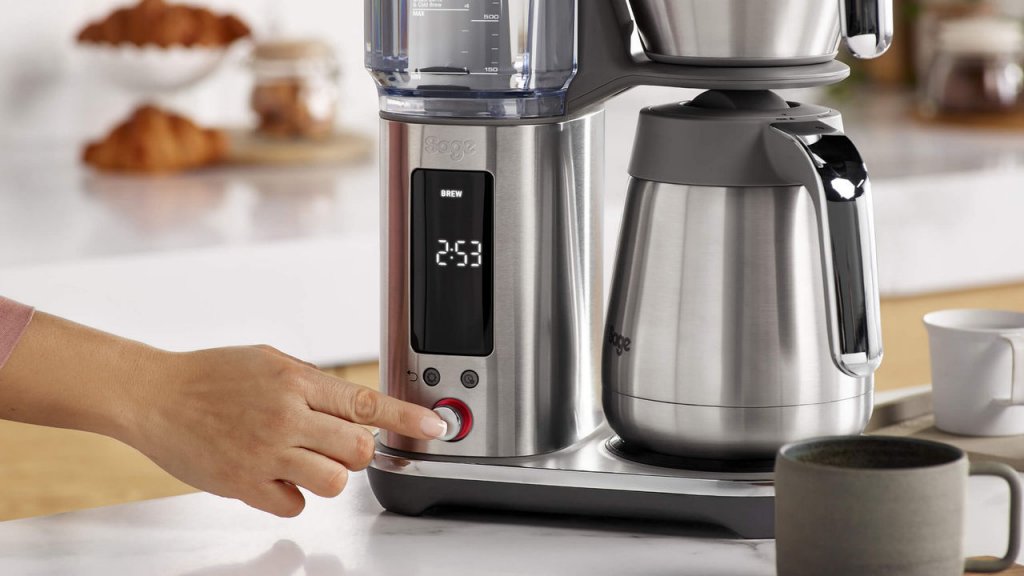
If water temperature is the cause of bitterness, the fix depends on the brewing method. For pour-over, Chemex, Aeropress, and French press, allow the kettle water to cool for one to two minutes after reaching a boil before pouring. This brings the water down from 212 degrees to approximately 200 to 205 degrees, which is within the ideal extraction range.
For stovetop moka pot brewing, using medium rather than high heat slows the extraction and reduces the tendency toward over-extraction bitterness that the moka pot is particularly prone to at high temperatures.
For drip coffee machines, the only way to address a machine that brews too hot is to choose a machine that maintains the correct brewing temperature. The SCA Home Brewer certification specifically tests and confirms that machines brew within the 195 to 205-degree range and is a reliable indicator for buyers concerned about brewing temperature.
2. Adjust the Grind Coarser
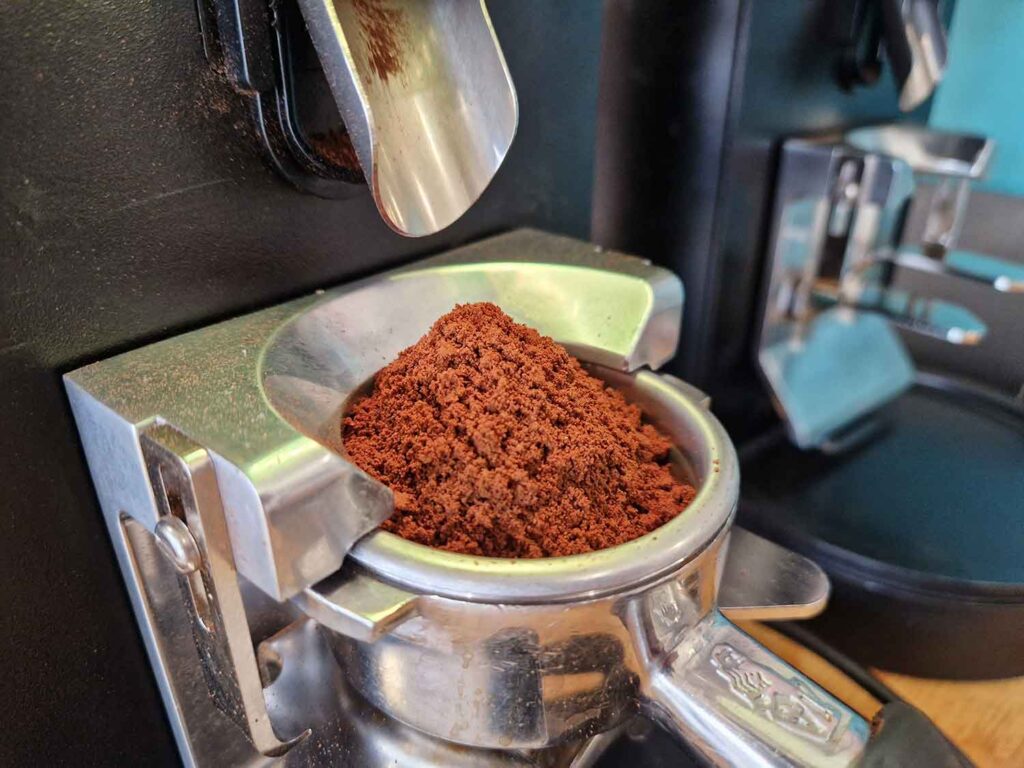
If over-extraction from too fine a grind is producing bitterness, the solution is to increase the grind size for your specific brewing method. For drip machines, aim for a medium grind with a texture similar to coarse sand. For French press, the grind should be coarse enough that individual particles are visible, similar to coarse sea salt.
Making grind adjustments in small increments rather than large ones allows you to identify the point at which bitterness reduces without the coffee becoming weak or sour from under-extraction. One step coarser on a burr grinder is typically enough to produce a noticeable change.
If you are using pre-ground coffee and cannot adjust the grind, choosing a product specifically labelled for your brewing method is the appropriate substitute. Espresso grind in a drip machine will always be too fine, while a coarse French press grind in an espresso machine will always be too coarse.
Burr grinders produce a more consistent particle size than blade grinders, which chop unevenly and produce a mix of fine dust and large fragments in the same batch. The fine particles in blade-ground coffee over-extract while the large particles under-extract, producing a cup with both bitter and sour notes simultaneously.
3. Choose a Lighter Roast
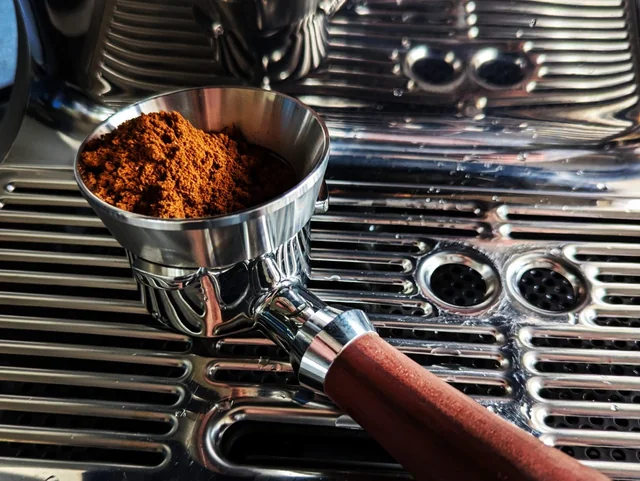
If the bitterness is roast-driven rather than extraction-driven, the simplest solution is to move one step lighter on the roast spectrum. A drinker who has been using a dark roast and finds the coffee persistently bitter despite correct technique will often find a medium roast from the same region or origin dramatically less bitter without any other change.
The difference between a medium roast and a dark roast from the same origin is the roast development time, which translates directly into the concentration of bitter roast-derived compounds in the finished bean. A lighter roast contains more of the original bean’s natural character and less of the roast bitterness.
Light roasts often taste surprisingly different to people accustomed to dark roasts, with more fruit, floral, and acidic notes than the caramel and chocolate of darker roasts. This difference is not a defect. It reflects more of the original bean character rather than roast character.
4. Shorten the Extraction Time
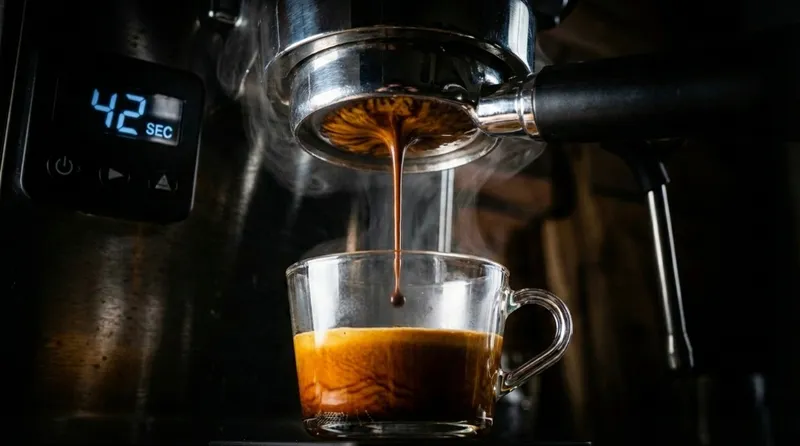
If the brewing time is longer than ideal for the method being used, reducing it addresses over-extraction bitterness directly. For pour-over brewing, aim for a total brew time including the bloom of three to four minutes. For French press, four minutes of steep time is the standard recommendation. For moka pot, as soon as the chamber fills, remove from heat immediately rather than allowing continued percolation.
Reducing grind coarseness and reducing brew time work together in opposite directions on the extraction dial, and adjusting one often requires a compensating adjustment to the other. A coarser grind extracts more slowly, which may require a longer brew time to reach full extraction. A finer grind extracts faster and requires a shorter time.
The target is not a specific time in isolation but a specific flavour outcome: sweetness, balance, and the absence of bitterness. Time is the tool, and flavour is the feedback that tells you whether the adjustment is working.
5. Adjust the Coffee-to-Water Ratio
If the ratio of coffee to water is too high, reducing the amount of coffee per unit of water while keeping everything else the same is the first adjustment to try. Reducing the dose by approximately ten percent and tasting the result provides clear feedback about whether ratio was the primary cause.
Using a kitchen scale to measure coffee by weight rather than by volume provides the consistency that scoop measurement cannot. For most drip brewing, a starting point of 60 grams of coffee per litre of water, or one gram per 16 millilitres, is a reasonable baseline from which to adjust based on taste.
Adjusting ratio and grind together, as professionals do when dialling in a brewing recipe, is more effective than adjusting one variable at a time when multiple variables may be contributing to the bitterness.
6. Clean the Machine Thoroughly
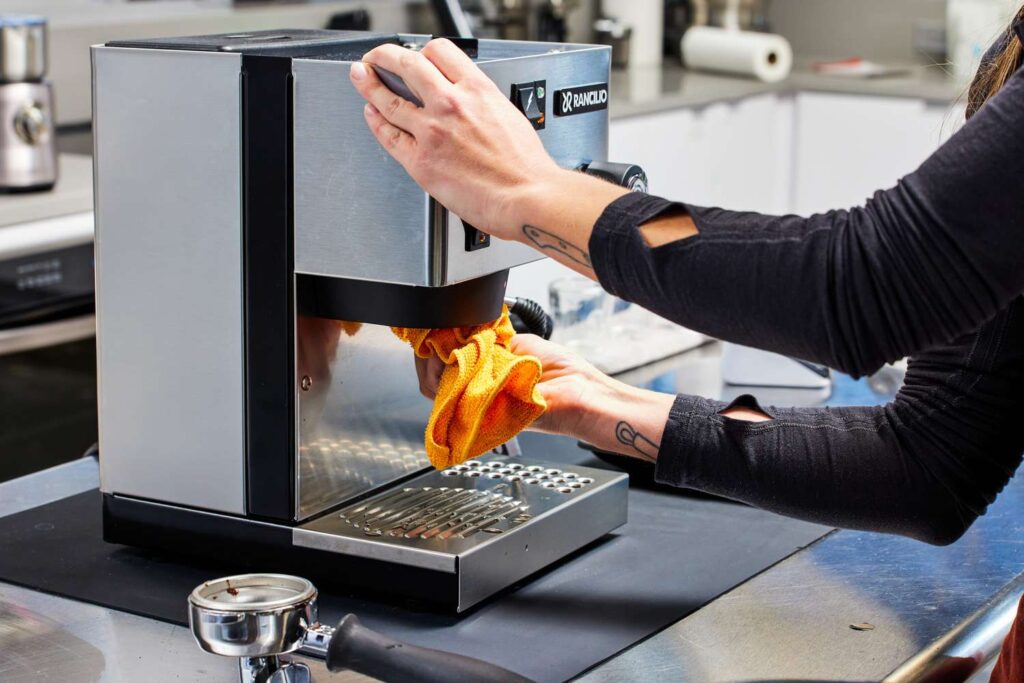
Cleaning for bitterness related to residue requires washing all removable components, including the carafe, filter basket, and any accessible parts of the brew path, with warm soapy water and a soft brush that can reach the areas where residue accumulates.
The filter basket holes specifically accumulate oil-bonded residue that a simple rinse does not remove. A small brush designed for cleaning these holes, or a toothbrush reserved for kitchen equipment, removes this residue thoroughly when used with soapy water and a brief soak.
Descaling for mineral scale that is contributing to temperature irregularities requires a full descaling cycle using either a commercial descaling solution or a mixture of equal parts white vinegar and water, followed by two to three plain water rinse cycles before returning to regular brewing.
Cleaning and descaling together address both the residue-related bitterness and the temperature-related bitterness caused by scale, which are the two equipment-based causes that often work simultaneously.
7. Use Filtered Water
Addressing water quality requires filtering the water before it enters the machine. A carbon-filter pitcher or a faucet-mounted carbon filter removes chlorine and chloramine, the most common sources of chemical bitterness, while retaining the mineral content that facilitates proper extraction.
For very hard water areas where mineral content is contributing to bitterness, a filter that also reduces hardness is appropriate. These are typically ion-exchange filters that replace calcium and magnesium ions with sodium ions, reducing the total mineral concentration while preserving enough mineral content for effective extraction.
Bottled spring water with a moderate mineral content, a total dissolved solids level of approximately 75 to 150 parts per million, is a reliable alternative that removes variability in water quality entirely if local tap water is significantly affecting coffee taste.
8. Use Fresh Coffee and Store It Correctly
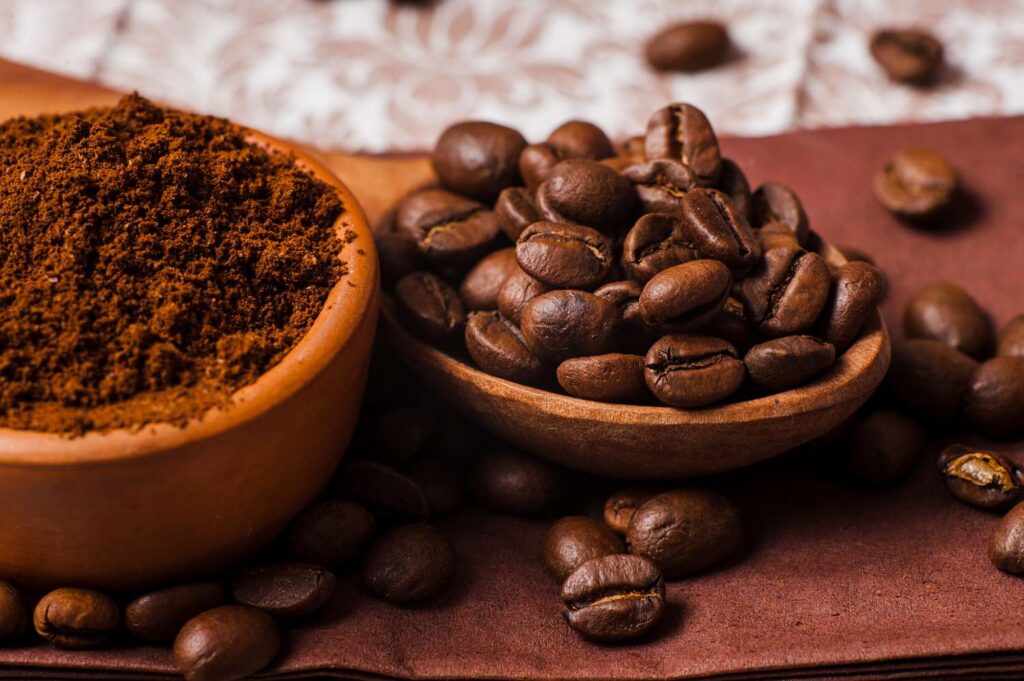
Addressing staleness requires buying coffee with a clearly printed roast date rather than a best-by date, and brewing from beans within two to four weeks of that roast date for optimal freshness. Specialty roasters and direct-from-roaster online purchases consistently provide this information. Supermarket coffee rarely does.
Whole beans store better than pre-ground and should be stored in an airtight container, away from direct light and heat, at room temperature. A purpose-made airtight coffee canister with a one-way valve that lets carbon dioxide escape without allowing oxygen in is the best storage option for whole beans.
Grinding only what is needed immediately before brewing ensures the coffee is at its freshest possible state at the point of extraction. Even grinding the night before and storing the grounds overnight allows enough oxidation to noticeably affect the cup compared with grinding immediately before brewing.
If you’ve adjusted your brewing method but the taste still isn’t right, your machine could be the issue. Explore our guide to the best coffee machines for home brewing and find a model that delivers richer, smoother coffee every day.
FAQs About Bitter Coffee
If the coffee is bitter from the very first brew of a new bag, the cause is unlikely to be staleness. The most probable causes are the grind being too fine, the water temperature being too high, or the roast being darker than your palate prefers. Start by checking the grind size for your brewing method and, if possible, measure the brew temperature.
Not always. Bitter coffee can come from over-extraction, but it can also come from very dark roast beans, contamination from dirty equipment, poor water quality, or stale beans that have developed oxidative bitterness without any extraction error. The flavour character of the bitterness is a useful diagnostic clue: over-extraction bitterness tends to be sharp and astringent, while roast bitterness is more rounded, and stale bitterness has a flat, cardboard quality.
Espresso is significantly more concentrated than drip coffee and more sensitive to small variations in grind, temperature, and extraction time. A grind that is slightly too fine, a temperature that is slightly too high, or an extraction time slightly longer than twenty-five to thirty seconds all produce bitter espresso. The same variation in a drip machine would be less perceptible because the lower concentration dilutes the bitterness. Dialling in espresso requires more precise calibration than drip brewing.
Salt at very small concentrations, approximately one-sixteenth to one-eighth of a teaspoon per litre of brewed coffee, genuinely suppresses bitterness perception rather than adding saltiness. This works through a sensory mechanism where sodium ions block some of the bitter taste receptors on the tongue. The result is a less bitter-tasting cup from the same coffee. Salt does not fix the underlying cause of bitterness, but it is a functional workaround when other adjustments are not available.
Yes, filter type affects the body and character of the cup in ways that interact with bitterness. Paper filters remove most of the coffee’s natural oils and very fine particles, producing a cleaner, brighter cup where bitterness is more prominent relative to sweetness. Metal mesh filters allow oils and fine particles through, adding body and sweetness that can balance bitterness and make it less dominant in the overall flavour profile. Switching from paper to metal mesh does not reduce bitterness at the source but changes how prominent it is in the overall cup.
Coffee sitting in a glass carafe on a warming plate continues to cook after brewing is complete. The heat causes continued extraction of compounds from any residual grounds and causes the brewed coffee itself to undergo chemical changes that increase bitterness and sourness over time. Transferring brewed coffee to a pre-warmed thermal flask or carafe immediately after brewing stops this process and preserves the coffee’s flavour profile for up to an hour without the bitterness that develops on a warming plate.
Very hard water, above approximately 300 parts per million total dissolved solids, meaningfully affects extraction quality and can contribute to bitterness through altered extraction chemistry. In everyday terms, this means that two people in different locations using identical coffee, identical equipment, and identical technique can produce noticeably different cups because of their local water quality. In areas with very hard water, this is a real and correctable cause of bitterness that filtered or bottled water directly addresses.
Adding a small amount of salt as described above is the most effective post-brewing adjustment. Adding milk, cream, or a plant-based alternative physically dilutes the bitter compounds and adds fat and sweetness that balance the perception of bitterness. Sugar and sweeteners mask bitterness rather than addressing it but are effective at making the cup more palatable. Diluting with additional hot water reduces concentration but also reduces strength in proportion, which may or may not be acceptable depending on how strong the original cup was.
If you have addressed grind, ratio, temperature, freshness, and equipment cleanliness and the coffee is still consistently bitter, the machine may have a temperature regulation problem that is causing it to brew above the ideal range. This is a machine limitation rather than a user error. Testing with a thermometer at the point where water exits into the brew basket confirms whether the machine is over-temperature. If it is, choosing a different machine with confirmed temperature accuracy is the appropriate long-term solution.
The Simple Truth About Bitter Coffee
Bitter coffee is not a mystery and it is not inevitable. It is the result of one or more specific, identifiable conditions that each respond to a specific correction. The hardest part of fixing it is not the correction itself. It is identifying which cause is actually at work in your specific situation.
Working through the reasons in the order they appear in this article, from most common to least, and testing one correction at a time, leads to the solution relatively quickly. The cup you are capable of making at home is significantly better than the bitter one you have been tolerating.