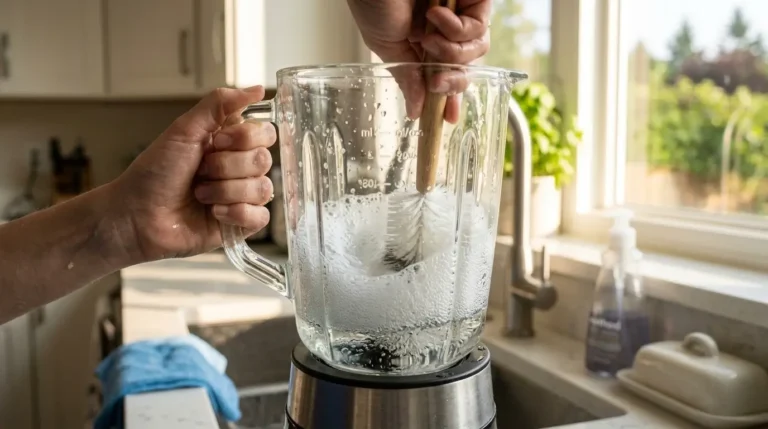
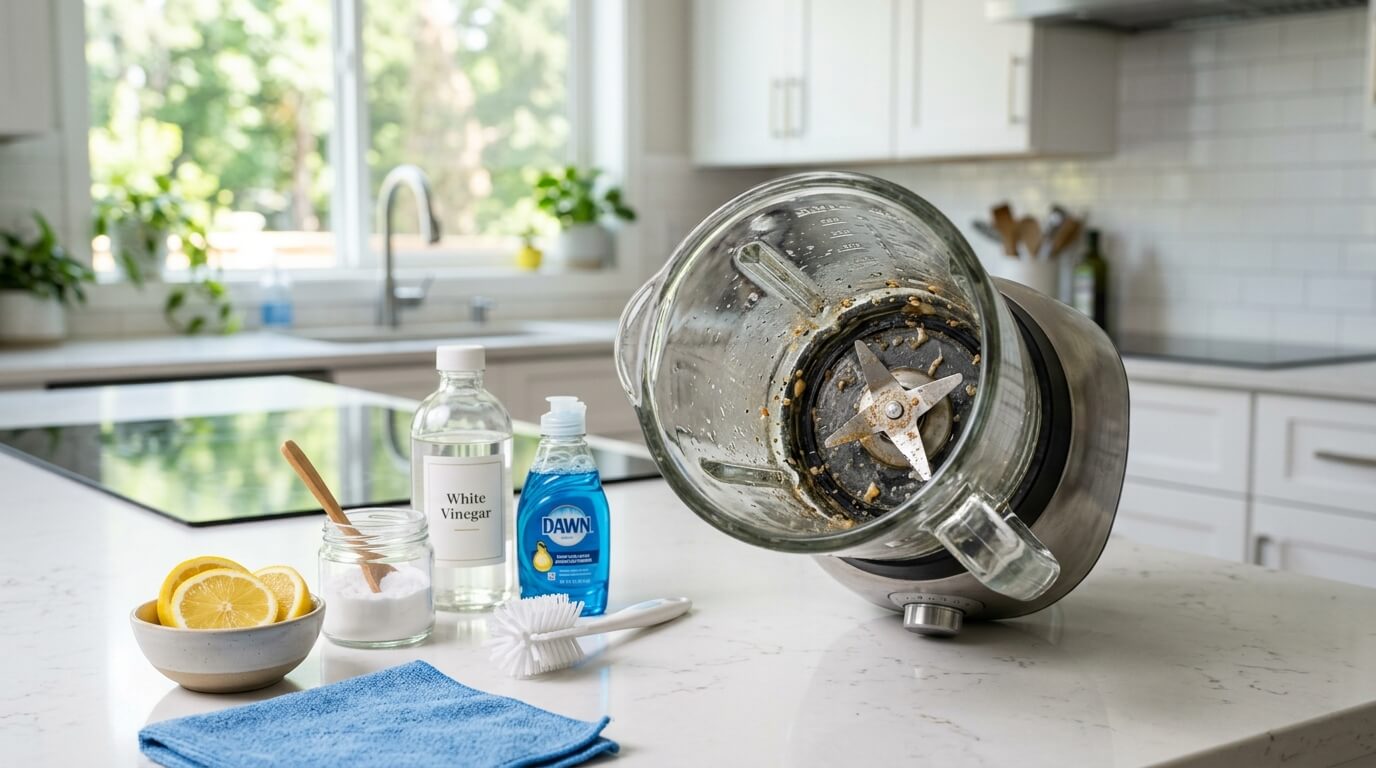
Why Your Blender Smells Bad (Every Cause Identified and Every Fix Explained)
By Amelia Harper | Kitchen and Home Appliance Writer | Updated July 2026
A blender that smells bad is one of those kitchen problems that feels minor until it isn’t. At first it is a faint odour you notice when you open the container. Then it becomes something you smell as soon as you walk into the kitchen. Eventually it transfers to whatever you blend, and the smoothie you made with fresh ingredients carries a stale, musty, or rancid undertone that should not be there.
The smell is not the problem. The smell is the signal. It is the blender communicating that something specific is happening inside the machine that has not been addressed yet. Understanding what is causing the particular smell you are experiencing is what allows you to fix it properly rather than masking it temporarily with a rinse.
I have been writing about kitchen appliances for nearly a decade, and blender odour is a topic that comes up constantly among both new and experienced blender owners. Here is every cause of a bad-smelling blender explained in detail, with the specific fix for each one.
Good blending habits don’t just improve your smoothies they also help prevent lingering odors. Explore our guide to simple blender tips for better smoothies and keep your blender performing at its best.
1: Residue Left to Dry Inside the Container
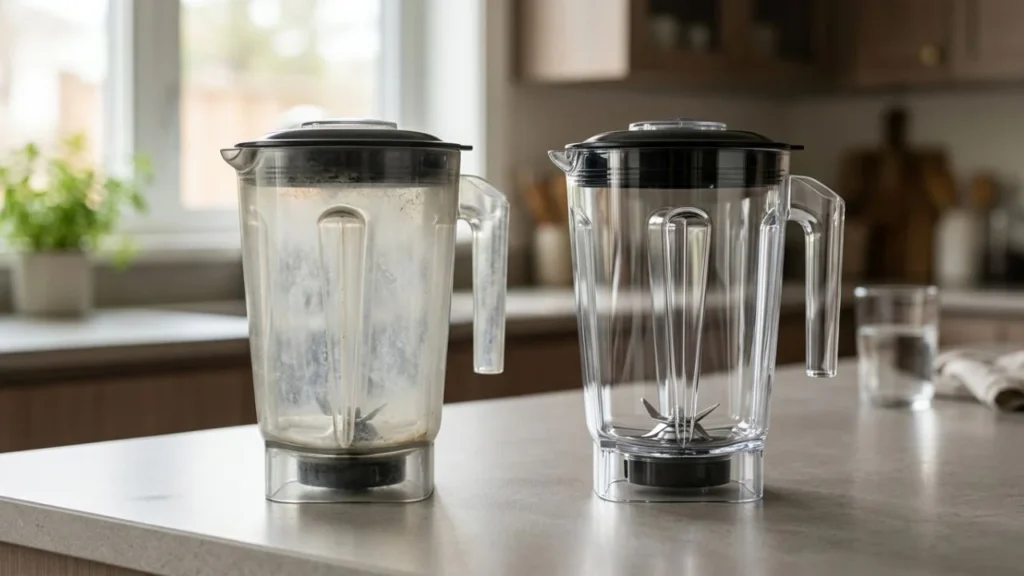
This is the most common cause of blender odour by a significant margin, and it is responsible for the stale, rancid smell that most people associate with a neglected blender.
Every blending session leaves a thin film of the blended material across the full interior surface of the container, the underside of the lid, and the blade assembly. This film is invisible when fresh but contains proteins, fats, carbohydrates, and water from whatever was blended.
When this film is left to dry rather than being cleaned immediately, it undergoes a process of oxidation and fermentation. Fats turn rancid. Proteins decompose and produce sulphurous or ammonia-like compounds. Carbohydrates ferment and develop sour, yeasty odours. The warm, enclosed environment of a sealed blender accelerates all of these processes.
The smell that results from dried residue is typically a combination of rancid and stale notes, similar to the smell of old cooking oil or day-old food left uncovered. It does not smell specifically mouldy or musty, which helps distinguish it from the bacterial growth cause described below.
2: Residue Trapped in the Blade Assembly Housing
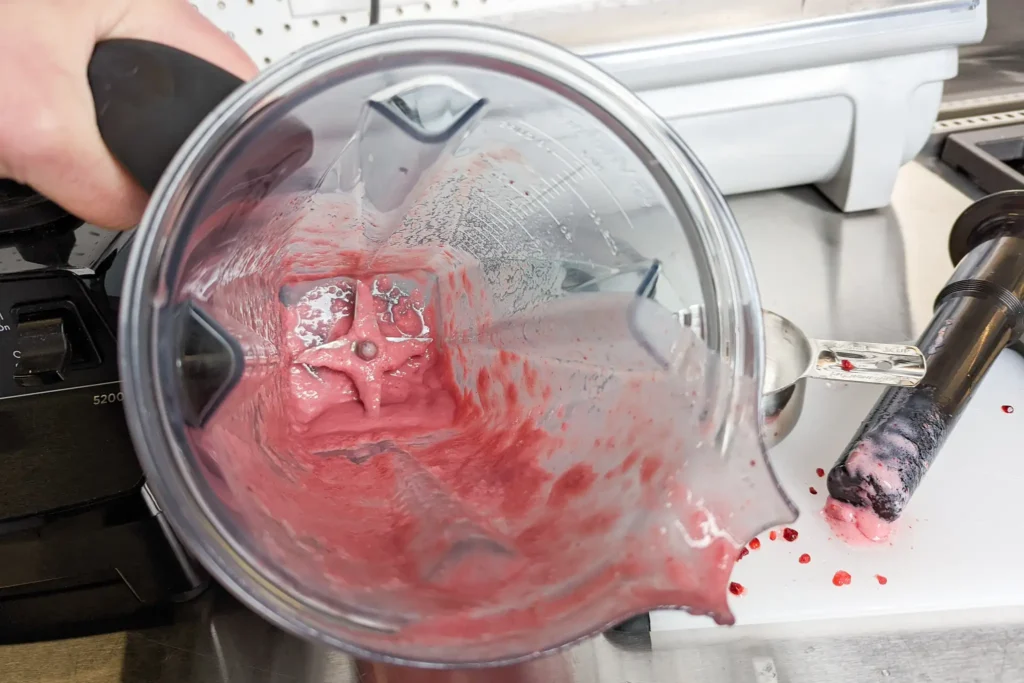
The blade assembly housing, which is the central hub and bearing unit that the blade arms attach to, is the single location most difficult to clean in any blender and the one where residue accumulates most persistently.
During blending, material is forced against the blade assembly at high velocity. Some of this material enters the small gaps between the blade arms and the housing, the junction between the blade assembly and the container floor, and the area around the central shaft. Once in these locations, it is not reached by the self-clean method or by rinsing.
Over repeated blending sessions without targeted cleaning of this area, residue builds up in a layered accumulation. The outer layers are exposed to the self-clean cycle and are partially removed, but the inner layers remain. They decompose progressively and produce odour compounds that the blender disperses throughout the container during every subsequent blending session.
The specific smell from blade housing residue is often more intense than container residue smell because it is more concentrated and has accumulated over a longer period. It tends to have a stronger rancid character and can have a faintly sour or fermented undertone from the carbohydrate decomposition in the deepest layers.
3: Mould or Mildew Growth
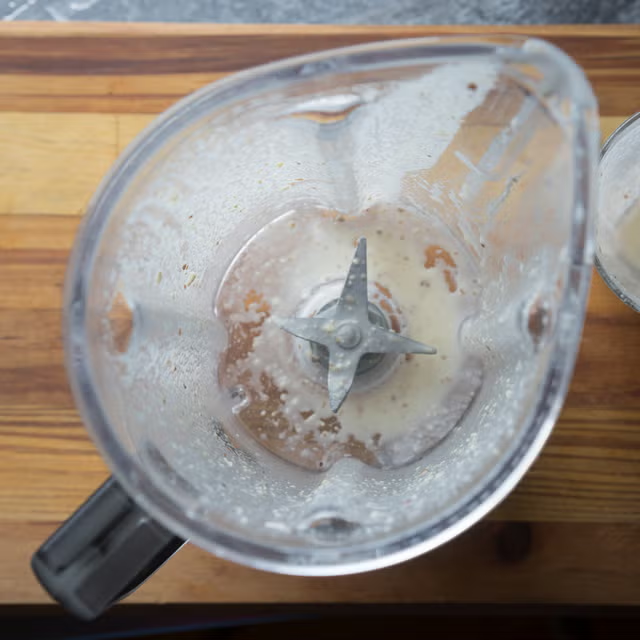
A musty, damp, earthy smell that is distinctly different from the rancid smell of oxidised food residue indicates mould or mildew growth inside the blender.
Mould requires moisture, a food source, and a relatively enclosed environment to establish itself. A blender container stores without fully drying, contains residual food film as a nutrient source, and provides exactly the dark, enclosed environment that mould favours. The combination of these conditions, particularly in kitchens with moderate humidity, creates reliable conditions for mould establishment.
Mould in blenders most commonly grows in three locations: the lid gasket groove where trapped moisture cannot dry, the blade assembly housing where residue accumulates as described above, and the interior base of the container where residue collects after the blade assembly is in place.
The musty, damp smell of mould is distinctive and does not improve with rinsing or the standard self-clean method because these approaches do not reach or kill the mould colony. Targeted treatment with an appropriate cleaning agent is necessary to eliminate it entirely.
4: The Lid Gasket Is Harbouring Bacteria and Residue
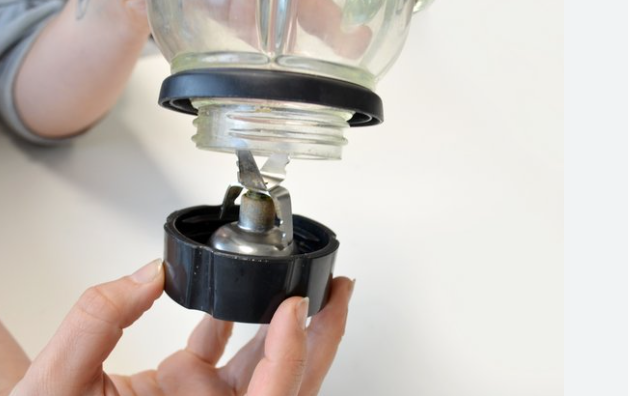
The lid gasket is the rubber or silicone ring that creates the airtight seal between the lid body and the container rim. It sits in a channel or groove in the lid and is compressed against the container rim during blending.
This gasket is one of the most consistently overlooked blender components during routine cleaning. The groove it sits in traps food particles that enter during blending, and the compression of the gasket against the lid groove means that water and soap during rinsing does not penetrate into the gap where the residue is concentrated.
Over time, the organic material trapped in this groove decomposes and produces a persistent odour that the gasket carries even after the rest of the blender has been cleaned. When the lid is placed on the container, this odour enters the container space and can transfer to subsequent blending preparations.
The gasket odour tends to have a sour or slightly fermented character because the trapped residue ferments in the enclosed, warm, moist environment of the gasket groove. It is sometimes described as smelling like old yogurt or slightly sour milk.
5: The Container Is Storing with Moisture Inside
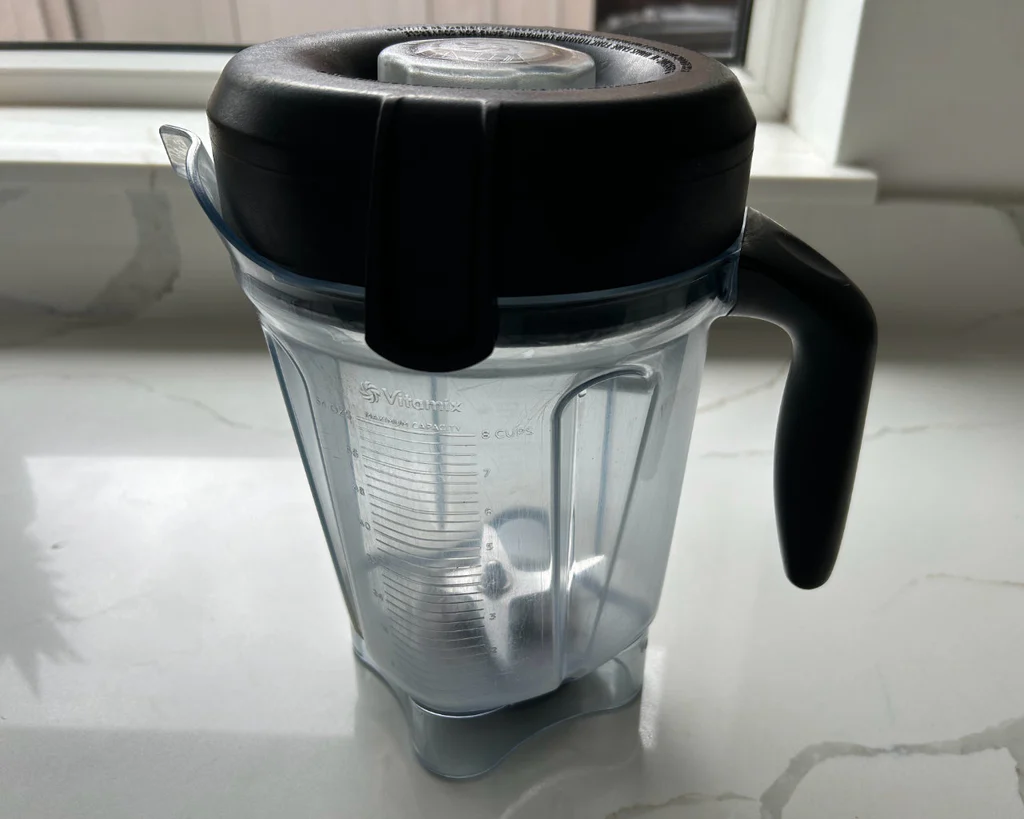
A blender container stored with residual moisture inside, whether from incomplete drying after cleaning or from condensation in the container after a cold blending preparation, provides the moisture necessary for both bacterial growth and mould establishment.
Many people clean the blender, rinse it, and then reassemble it on the base while still wet for convenient next-use readiness. This practice traps the moisture from cleaning inside a sealed container on a closed base, creating conditions where the moisture cannot evaporate and where any residual food particles have the water activity they need to support microbial growth.
The smell that results from moisture storage tends to be musty and slightly stale, similar to the smell of a damp cloth that was not dried quickly enough. It is milder than the rancid smell of oxidised residue but becomes more pronounced over time as the microbial growth it enables advances.
Regular cleaning is the best way to prevent stubborn odors from returning. Check out our guide to quick blender cleaning methods that save time and keep your blender fresh with minimal effort.
6: Blending Strongly Aromatic Ingredients

Some ingredients leave volatile aromatic compounds in the blender that persist beyond the cleaning session because these compounds bond with the container material itself rather than simply sitting on the surface.
Garlic, onion, fish, fermented foods, and very strong spices are the most common sources of this type of persistent blender odour. The sulphurous compounds from alliums like garlic and onion are particularly penetrating and have a chemical affinity for plastic materials that makes them difficult to remove with standard soap and water.
The smell from aromatic ingredient residue is distinctive because it smells specifically like the ingredient that caused it rather than having a generic rotten or musty character. A blender that was used for garlic-heavy hummus and not thoroughly cleaned will smell specifically of garlic when the lid is opened, rather than of generic decomposition.
This type of odour is cosmetic rather than indicating a hygiene problem, but it transfers to subsequent blending preparations and is particularly problematic when blending flavours that conflict with the residual aroma.
7: The Motor Base Has Accumulated Residue
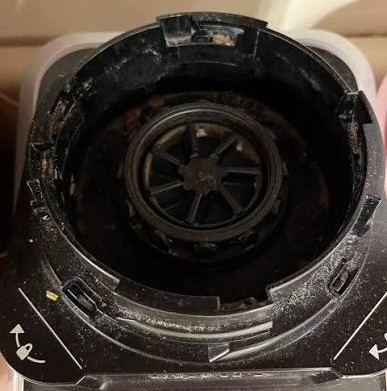
Blender owners focus almost entirely on the container and lid when cleaning, but the motor base, including the area around the drive coupler and any vents in the housing, can accumulate spilled or splattered material that produces odour during motor operation.
Material that overflows from an overfilled container, spills during pouring, or drips from the container base when it is removed from the motor can enter the drive coupler area and accumulate in the recessed spaces around it. This material is warmed by the motor during operation and its odour compounds are carried upward by the hot air rising from the motor vents.
The smell from motor base residue tends to be most noticeable when the blender is running rather than when it is at rest, because the motor heat volatilises the aromatic compounds in the residue and the airflow from the vents carries them into the kitchen air.
8: The Blender Has Not Been Used in a Long Time
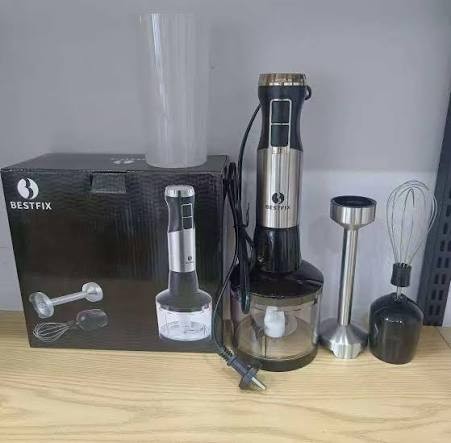
A blender that has been stored without use for an extended period, weeks or months, can develop odours even if it was cleaned before storage if that cleaning was not thorough enough to remove all residue and moisture.
The extended period allows any remaining organic material, however small, to undergo the full decomposition process. What was a microscopic residue film during storage becomes a detectable odour source by the time the blender is retrieved for use.
The type of smell depends on what was most recently blended and what traces of it remained despite cleaning. It typically has a stale, flat, slightly musty character that indicates the degradation of old organic material rather than any active growth process.
The Fixes: How to Eliminate Every Type of Blender Odour
1: The Baking Soda Soak for General Odour and Residue
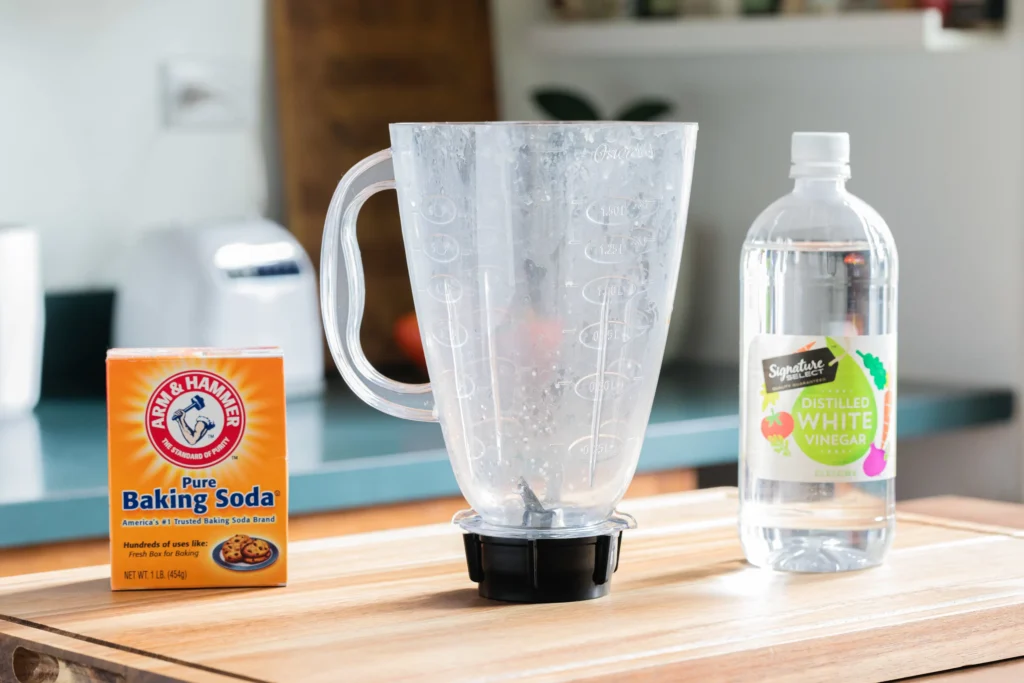
Baking soda is the most broadly effective household remedy for blender odour because its mild alkalinity neutralises the acidic compounds produced by food decomposition and its fine particle structure provides gentle abrasion for surface-bonded residue.
Fill the blender container halfway with warm water and add two tablespoons of baking soda. Run the self-clean cycle for thirty seconds to distribute the solution across the full interior surface. Then allow the solution to soak for fifteen to thirty minutes before running the self-clean cycle again and rinsing thoroughly.
This method is effective for the general stale and rancid odours caused by dried residue and is safe for all container materials including plastic, glass, and stainless steel. The baking soda is alkaline rather than abrasive in water solution and does not scratch any standard blender container surface.
2: White Vinegar for Mould and Bacterial Odour
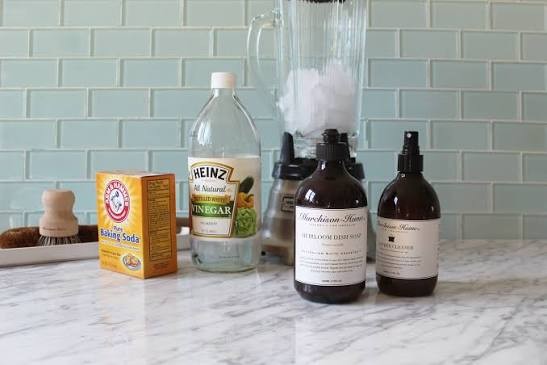
White vinegar is the appropriate treatment for the musty, mouldy odour that indicates microbial growth inside the blender. Its acetic acid content creates an environment that is hostile to bacteria and mould and dissolves the organic compounds that support their growth.
Fill the container with a solution of equal parts white vinegar and warm water. Run the self-clean cycle for thirty seconds. Allow the solution to soak for twenty to thirty minutes, which allows the acid to penetrate the locations where mould colonies are established, including the blade housing area and the lid gasket groove.
After soaking, run the self-clean cycle again and rinse thoroughly with clean water, followed by another self-clean cycle with plain water to ensure all vinegar is removed. The vinegar smell dissipates completely with thorough rinsing and does not persist into subsequent blending sessions.
Lingering odors can sometimes be a sign of leftover residue that’s also affecting performance. Read our guide on how to fix a blender that struggles to blend smoothly and restore better blending results.
3: Targeted Cleaning of the Blade Assembly
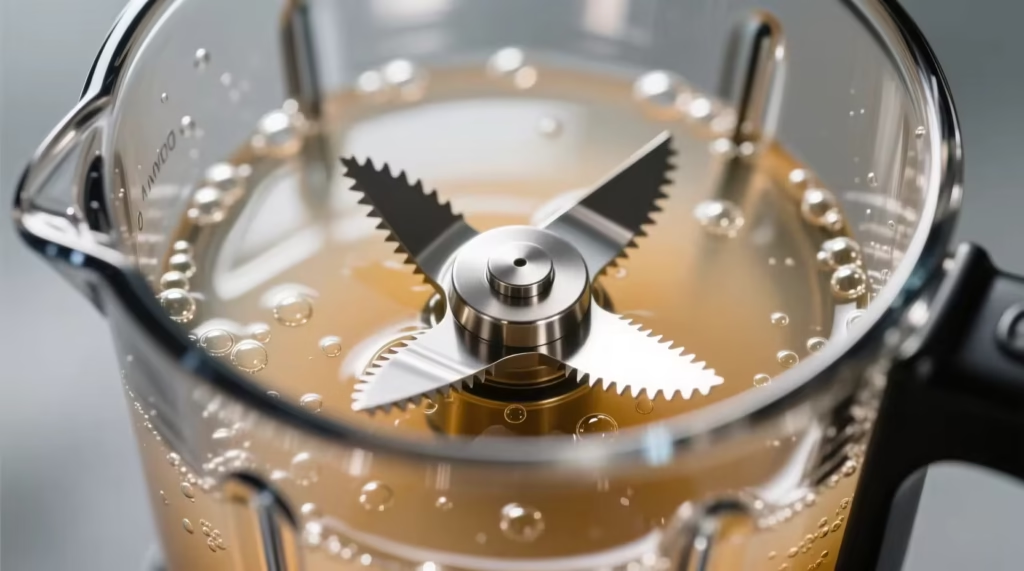
For the persistent odour coming specifically from the blade assembly housing, the self-clean method alone is not sufficient and the blade area requires targeted physical cleaning.
Disassemble the blade assembly from the container according to your blender’s instructions. Using a small brush, specifically a bottle brush or a dedicated appliance cleaning brush, scrub the housing area, the junctions between the blade arms and the central hub, and the shaft area thoroughly with warm soapy water.
The brush bristles need to physically penetrate the gaps in the blade housing to dislodge the accumulated residue that the self-clean cycle cannot reach. Rinse the blade assembly thoroughly under running water while continuing to brush, ensuring all loosened residue is flushed away before reassembly.
This targeted cleaning should be done at least weekly in blenders used daily, and immediately whenever odour is detected emanating from the blade area specifically.
4: Remove, Clean, and Dry the Lid Gasket
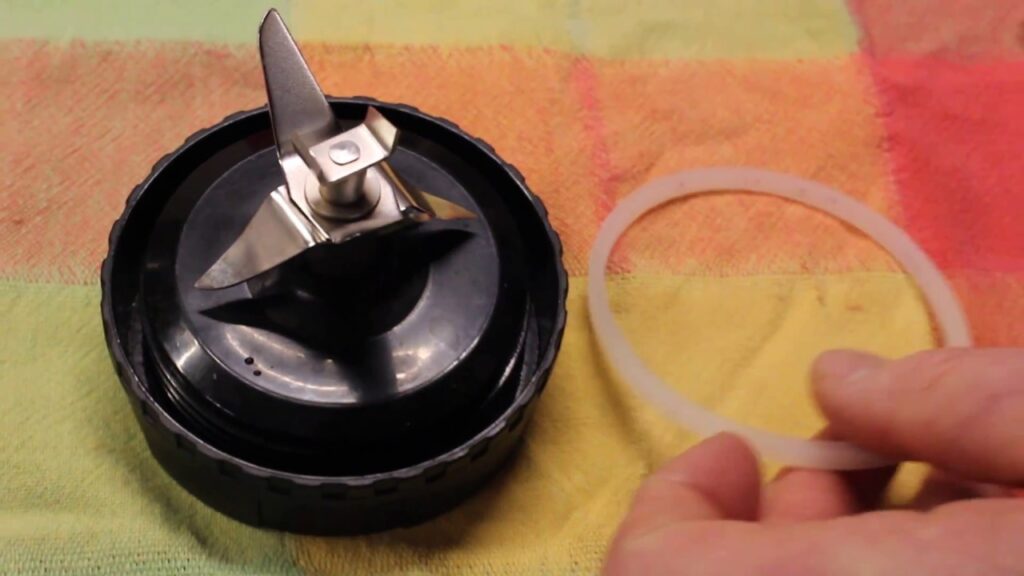
Eliminating gasket-sourced odour requires removing the gasket from the lid groove, cleaning both the gasket itself and the groove separately, and ensuring both are completely dry before reinsertion.
Peel the gasket out of its groove, taking note of its orientation for correct reinsertion. Wash both the gasket and the groove with warm soapy water and a small brush that fits into the groove. Rinse both thoroughly and allow the gasket to air dry completely before pressing it back into the groove.
If the gasket smell persists after cleaning, soaking it in a solution of white vinegar and water for fifteen minutes before washing provides additional deodorising action. Replace the gasket if it shows cracking, permanent deformation, or odour that does not resolve after thorough cleaning, as degraded gaskets cannot be cleaned effectively.
5: Lemon for Aromatic Ingredient Odour
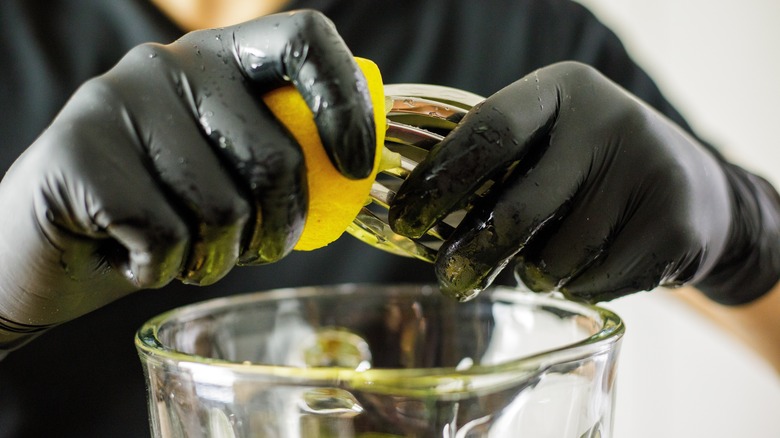
For the persistent garlic, onion, fish, or spice odours that bond with container material rather than simply sitting on the surface, lemon provides the most effective household treatment because its citric acid reacts with and neutralises the sulphurous and aromatic compounds responsible.
Blend half a cup of warm water with a full slice of lemon, skin included, for twenty to thirty seconds. Allow the lemon solution to sit in the container for ten minutes before rinsing. The citric acid works on the sulphurous compounds in the container material and the aromatic lemon oils provide additional deodorising action.
For very persistent garlic or fish odours, repeat the lemon treatment twice and follow with the baking soda soak described above, as the combination of acid from the lemon and alkali from the baking soda neutralises a broader range of odour compounds than either alone.
6: Clean and Dry the Motor Base
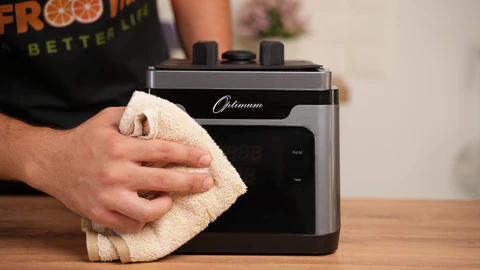
For motor base odour, unplug the blender and wipe the area around the drive coupler and the top surface of the base with a damp cloth wrung out so it is barely moist. Pay specific attention to any vents in the housing surface and the recessed area where the drive coupler sits.
Use a cotton swab to reach into the drive coupler recess and remove any accumulated residue. Wipe the outer housing of the base with a damp cloth, including the sides and back where drips can travel down from the container level.
Allow the motor base to dry completely before using the blender again. Never submerge the motor base in water or allow water to enter the vents, as this damages the motor electronics and creates a safety hazard.
7: Store the Blender Properly
Correcting moisture-related odours requires changing storage practice so that the blender can dry completely between uses rather than sealing moisture inside.
After cleaning and the final rinse, wipe the container dry with a clean cloth. Store the container inverted on a clean drying mat or dish rack rather than assembled on the base, which allows air circulation through the container and any remaining moisture to drain and evaporate rather than pooling in the base of the container.
If you prefer to store the container on the base for convenience, leave the lid off during storage so that air can circulate through the container and moisture can escape. Reassemble fully only when the container is completely dry, which typically takes one to two hours depending on ambient humidity and temperature.
If odors keep coming back despite regular cleaning, your blender may be nearing the end of its lifespan. Explore our guide to the top-rated blenders for home kitchens and find a reliable model built for everyday use.
The Underlying Principle
Every blender odour in this article has the same root cause: organic material that was not removed before it could decompose. The specific smell varies because different types of organic material decompose differently and produce different compounds, but the prevention is always the same.
Clean immediately after every use. Target the blade assembly area weekly with a brush. Remove and clean the lid gasket regularly. Store the container dry and with adequate air circulation.
These four practices prevent every odour type described in this article from developing in the first place. For a blender that already smells, the targeted fixes above address each specific cause. The goal in both cases is the same: removing the source of the odour rather than masking it, so that every blend starts clean.
FAQs About Blender Odour
A burnt smell during operation almost always indicates a motor that is overheating from processing too thick a preparation, an air pocket keeping the blades from moving freely, or a motor that is reaching the end of its operational life. Stop the blender immediately, allow it to cool for fifteen minutes, and address any thickness or air pocket issues before running it again.
Bleach is effective at killing bacteria and mould but is not recommended for blender cleaning because it is difficult to rinse completely from the blade housing and gasket areas, and residual bleach transfers to food. White vinegar and baking soda address the same microbial issues without the residue risk.
A fishy smell that appears without having blended fish is typically caused by the decomposition of protein residue, often from protein powder or dairy, which produces trimethylamine compounds that smell distinctly fishy. A baking soda soak followed by a lemon treatment addresses this specifically.
For most odour causes, fifteen to thirty minutes of soaking with either baking soda solution or vinegar solution is sufficient. For very persistent odours that have accumulated over weeks, soaking for up to one hour and then repeating the treatment the following day produces better results than a single extended soak.
Discolouration combined with odour indicates both surface staining and residue accumulation. A baking soda and hydrogen peroxide paste addresses the staining component, and the baking soda soak addresses the odour. For severely discoloured plastic containers, some staining may be permanent, but the odour from residue is always treatable with the appropriate cleaning approach.
Plastic blender containers can absorb aromatic compounds from nearby strongly-smelling foods over time, particularly if the container is stored without its lid. Storing the container lidded and away from strongly aromatic foods prevents this absorption. The lemon treatment described above addresses absorbed aromatic odours effectively.
Remove the blade assembly from the container and smell each component separately. If the container smells clean but the blade assembly has the odour, the blade housing residue is the source. If the blade assembly smells clean but the container has the odour, the container surface or lid gasket is the source. This separation test makes targeted cleaning much more efficient than treating everything simultaneously.