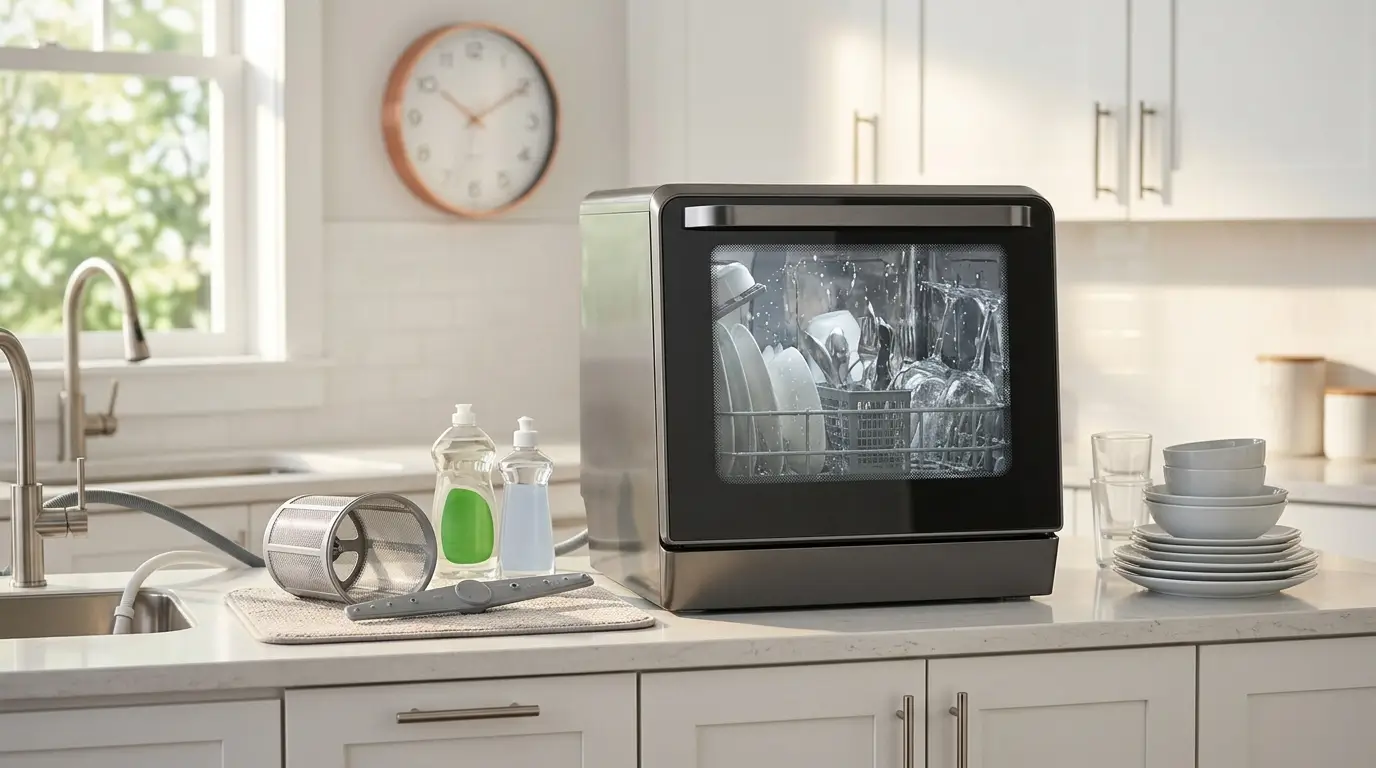
Why Your Countertop Dishwasher Takes Too Long (Every Cause and Fix Explained)
By Amelia Harper | Kitchen and Home Improvement Writer | Updated July 2026
A countertop dishwasher cycle that runs noticeably longer than it did when the machine was new, or longer than the time stated in the manual for the cycle you selected, is telling you something specific. It is not simply running slowly for no reason. Every component in a countertop dishwasher operates within a designed timeframe, and when the actual cycle time exceeds that design, something is interfering with one of those components.
Most people assume a longer cycle is a machine fault that requires repair or replacement. In most cases it is neither. The causes of extended cycle time in countertop dishwashers are almost universally related to maintenance, water supply, or environmental conditions that affect the machine’s ability to complete each phase of the cycle within its designed window.
I have been writing about kitchen appliances for nearly a decade, and extended dishwasher cycle time is one of the more common complaints I encounter from countertop dishwasher owners. The pattern of causes is consistent and the fixes are almost always straightforward. Here is everything that explains why your countertop dishwasher takes too long, and what to do about each cause.
Overloading your dishwasher or washing unsuitable items can make cycles take longer than necessary. Check out our guide to items that should stay out of your countertop dishwasher to improve cleaning performance and help wash cycles run more efficiently.
1. Mineral Scale Has Built Up on the Heating Element
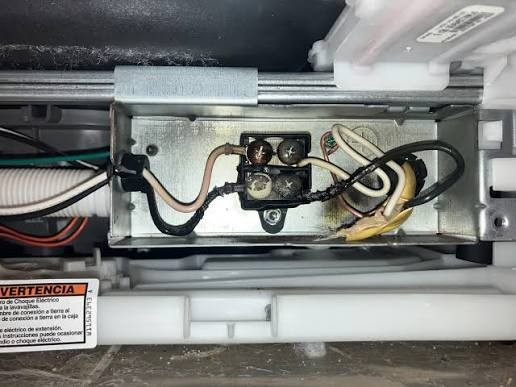
The most common cause of extended cycle time in countertop dishwashers used in hard water areas is mineral scale accumulation on the internal heating element, and it is the cause that most directly affects multiple phases of the cycle simultaneously.
The heating element in a countertop dishwasher serves two functions: heating the incoming water to the correct wash temperature and maintaining that temperature throughout the wash phase. When mineral scale from hard water builds up on the element, it acts as an insulator between the element’s heat source and the water surrounding it.
The element must run for longer to deliver the same amount of heat energy to the water, which extends the time required to reach and maintain wash temperature.
The cycle time extension from scale accumulation can be dramatic. A machine that previously completed its normal cycle in forty-five minutes may take sixty or seventy minutes with significant scale buildup, because the heating phases that collectively account for a large portion of the total cycle time each run longer than their designed duration.
Descaling is the direct solution. Running a descaling cycle according to the manufacturer’s instructions, using a commercial dishwasher descaling product or a prepared white vinegar and water solution, dissolves the mineral deposits from the heating element surface and restores its direct contact with the water. After a thorough descaling, cycle times typically return to normal within one or two cycles.
2. The Water Inlet Is Restricted
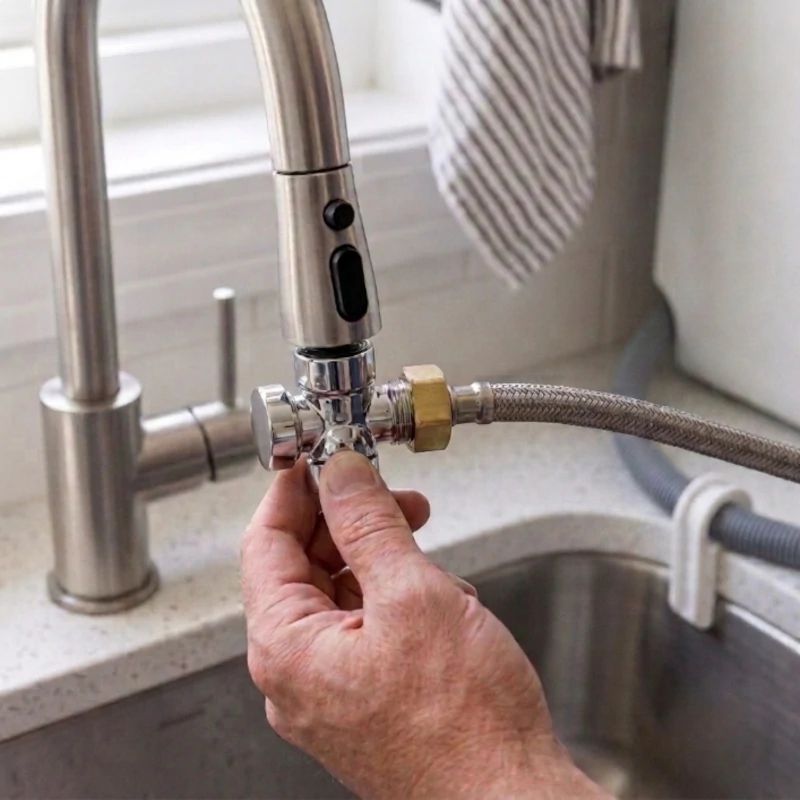
The fill phase at the beginning of each dishwasher cycle has a designed duration based on the flow rate the machine expects to receive from the water supply. When water enters at a lower-than-expected flow rate, the fill phase takes longer, and the total cycle time extends by the same amount.
Restriction of the water inlet can occur in several ways. A kinked or pinched inlet hose is the most straightforward cause and is usually identifiable by visually tracing the hose from the tap connection to the machine entry point. A single sharp bend or a heavy object resting on the hose reduces the internal flow diameter and restricts water flow substantially.
Scale accumulation inside the inlet hose connector or at the point where the hose attaches to the machine can also restrict flow. Small mesh filters at the hose connectors, designed to prevent debris from entering the machine, can become clogged with sediment over time. Removing and rinsing these mesh filters every few months clears the accumulation and restores the full flow rate.
Low water pressure at the tap is a separate cause of restricted fill that cannot be resolved by hose management. Countertop dishwashers typically require a minimum supply pressure of approximately 10 to 15 PSI. Buildings with pressure below this minimum fill the machine more slowly than designed, extending the fill phase and consequently the total cycle time.
3. The Incoming Water Temperature Is Too Cold
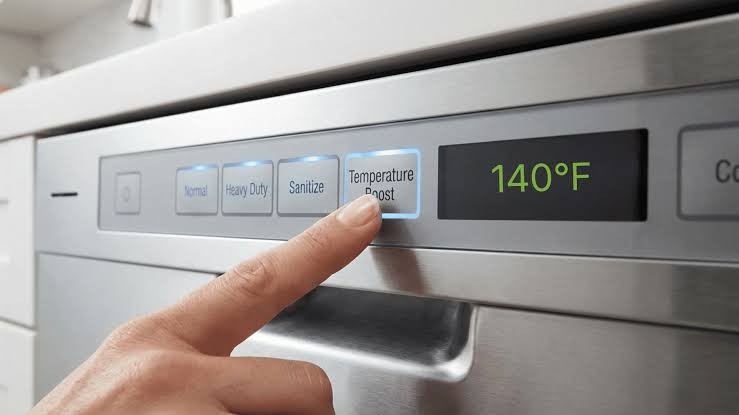
Each phase of a dishwasher cycle is designed to reach a specific water temperature before transitioning to the next phase. When the incoming water is colder than the machine’s design assumption, the heating element must work longer in the pre-wash and wash phases to reach the target temperature, extending those phases and the total cycle time.
Most countertop dishwasher cycle duration estimates are based on an incoming water temperature of around 120 degrees Fahrenheit at the tap. During winter months, or in buildings with long pipe runs from the water heater to the kitchen, the tap water may be significantly cooler than this when the dishwasher cycle begins.
The practical test for whether cold incoming water is extending the cycle is to run the hot tap in the sink until it reaches its maximum temperature before connecting the dishwasher inlet hose or before filling the built-in tank. If the cycle time returns to normal when using pre-warmed water, cold inlet temperature was the cause.
Consistently running the hot tap before starting the machine addresses this cause in practice. For machines with a built-in water tank rather than a tap connection, filling the tank with water that has been warmed slightly above room temperature before cycle start reduces the amount of heating the machine must do internally.
Long wash cycles can leave extra moisture inside your appliance if it isn’t cared for properly. Explore our guide to preventing mold inside your countertop dishwasher and learn simple habits that keep it clean, dry, and odor-free.
4. The Filter Is Partially or Fully Clogged
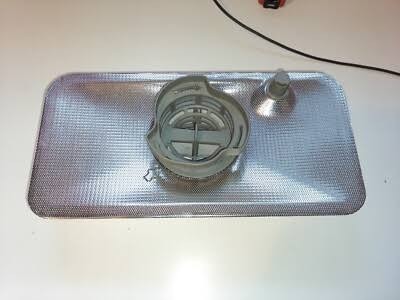
The filter at the base of the countertop dishwasher interior captures food particles during the wash cycle to prevent them from being redeposited on clean dishes. When the filter is clogged with accumulated food debris, the water circulation pump must work against increased resistance to maintain flow through the system.
The increased pump resistance from a clogged filter reduces the effective water pressure at the spray arms, which in turn reduces the cleaning effectiveness of each wash and rinse pass. The machine’s programming in some models responds to this reduced effectiveness by extending the wash phase duration to compensate for the reduced cleaning intensity.
In other models, the extended pump run time is a direct consequence of the motor running longer to move the same water volume against the increased filter resistance.
Beyond the cycle time effect, a clogged filter creates other performance problems including reduced cleaning quality and increased odour inside the machine from decomposing trapped food particles. Regular filter cleaning after every three to four cycles prevents the accumulation from reaching the clogging threshold.
Removing and rinsing the filter under warm running water immediately addresses the restriction. If the filter has been neglected for a significant period, soaking it in warm soapy water for fifteen minutes before rinsing removes the compacted residue that a simple rinse under running water cannot dislodge. After cleaning the filter, the next cycle time should return to normal if the filter was the primary cause.
5. The Spray Arms Are Partially Blocked
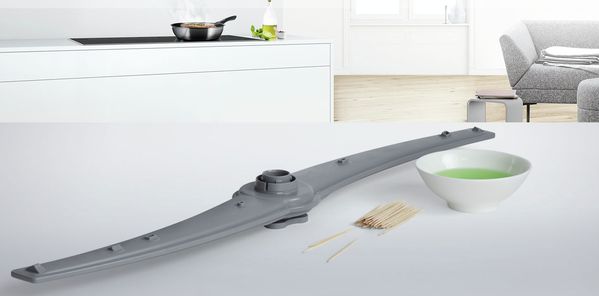
Partial blockage of the spray arm holes reduces the water pressure delivered to the dishes and may trigger extended cycle duration in machines that monitor cleaning effectiveness through the wash water turbidity or through pressure sensors.
More commonly, partially blocked spray arms extend the cycle indirectly. With reduced water pressure from blocked holes, fewer dishes are cleaned adequately in the designed wash phase duration, and residue remains on dishes that would have been cleaned if the spray arms were functioning fully.
The practical result is that multiple cycles are needed to achieve what one cycle should accomplish, which means the total time spent cleaning a load of dishes is extended even if no individual cycle timer is affected.
Cleaning the spray arm holes is straightforward. Remove the spray arms according to the machine’s instructions, which typically involves lifting them off a central hub or unscrewing a retaining nut. Hold each arm under running water and use a toothpick or thin wire to clear any blocked holes. Rinse thoroughly and reattach before running the next cycle.
The spray arm attachment mechanism should also be checked to ensure the arms rotate freely when pushed by hand. Blockage at the rotation point from food debris or mineral scale prevents the arm from distributing water across the full interior during the cycle, creating areas of poor cleaning that require additional cycles.
6. The Machine Is Selecting an Automatically Extended Cycle
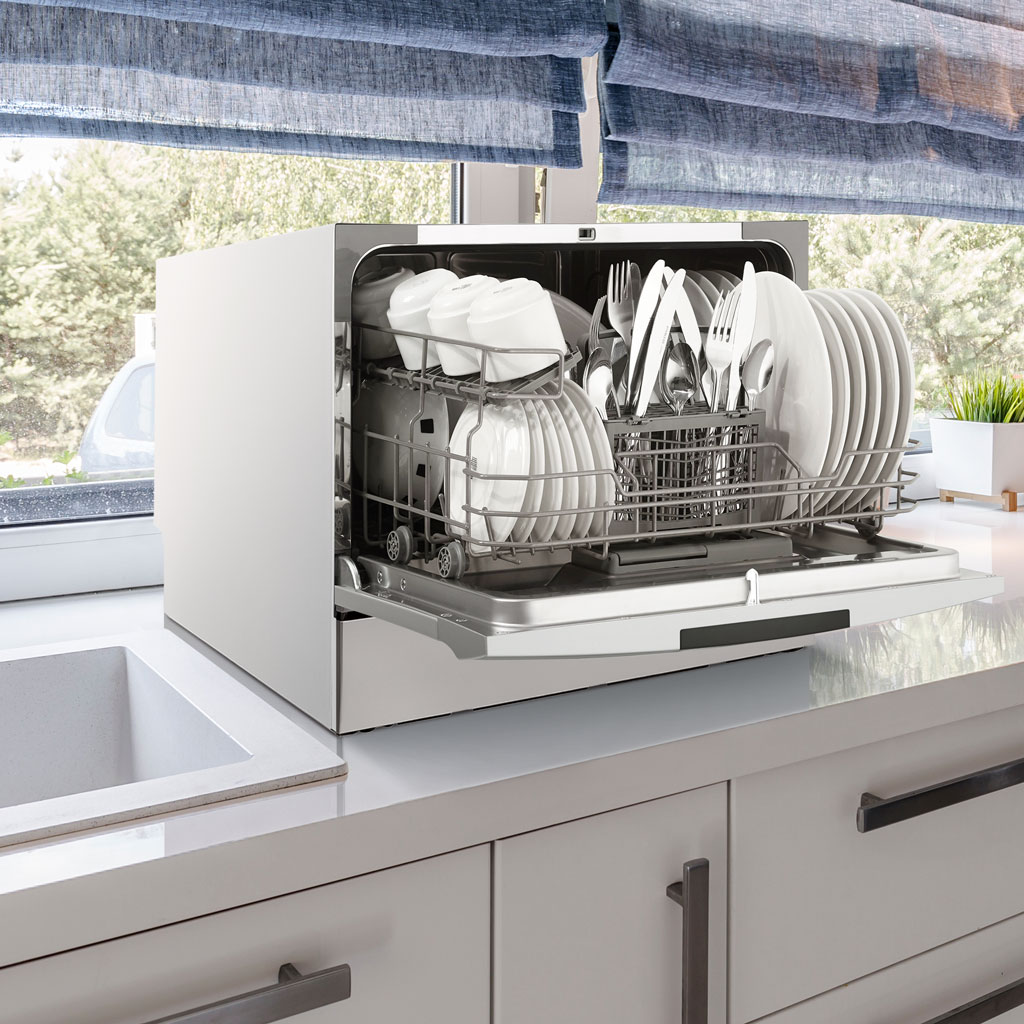
Many countertop dishwashers include automatic cycle extension features that most owners are not aware of, because they are programmed into the machine’s logic rather than being something the user selects.
Some models include turbidity sensing, where the machine monitors how cloudy the wash water is during the cycle. Water that remains turbid, indicating suspended food particles, triggers the machine to extend the wash phase until the turbidity drops below a threshold. A heavily soiled load of dishes, or dishes with dried food that was not pre-rinsed, can trigger this extension consistently.
Temperature-based cycle extension is another automatic feature. If the machine’s internal sensor detects that the wash water has not reached the minimum effective temperature within the designed heating window, it extends the heating phase rather than proceeding to wash at a temperature that would produce inadequate results.
Understanding whether your specific machine has these features, by reading the manual or looking up the model specifications, allows you to distinguish between an extended cycle that indicates a maintenance issue and one that is an intentional machine response to load conditions. If the extension is load-triggered, loading dishes that have been rinsed and are less heavily soiled typically reduces the triggered extension.
7. The Drain Is Slow
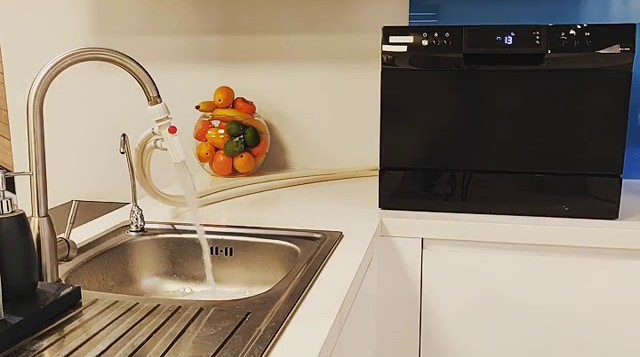
Each cycle includes one or more drain phases where wash and rinse water is pumped out of the machine before the next fill begins. If drainage is slow, the drain phase takes longer than designed and the total cycle time extends by the cumulative delay across all drain events in the cycle.
Slow drainage in countertop dishwashers has several potential causes. The drain hose may be kinked or positioned in a way that creates a siphon effect or a height obstruction that the drain pump must work against. The drain hose should route from the machine to the drainage point at a consistent downward gradient where possible, without sharp upward bends that trap water.
A clogged drain filter or debris accumulation in the drain pump housing can also restrict drainage. The area around the drain outlet at the base of the machine interior, underneath or adjacent to the filter, can accumulate food debris that restricts water flow to the drain pump. Cleaning this area during filter cleaning sessions prevents drainage restriction from developing.
In some machines, a check valve in the drain line prevents backflow of drain water into the machine. A check valve that has become sticky or partially blocked reduces drain flow rate and extends the drain phase. This is less commonly a user-serviceable component but is worth investigating if other drain causes have been ruled out.
8. The Wash Temperature Sensor Is Malfunctioning
Each countertop dishwasher has a temperature sensor that monitors the water temperature during the wash phase and signals the machine’s control system when the target temperature has been reached. If this sensor is providing inaccurate readings, the machine may extend the heating phase indefinitely while waiting for a temperature signal it never receives, or until a safety cutoff terminates the phase.
A malfunctioning temperature sensor is a machine fault rather than a maintenance issue, and it is distinguished from maintenance-related causes by its behaviour. A machine with a faulty temperature sensor typically heats water longer than any maintenance issue would account for, and the extended cycle time is consistent rather than varying with load conditions or improving after descaling and filter cleaning.
If a cycle that previously took forty-five minutes consistently takes ninety minutes or more regardless of what load is inside, and the cycle time does not improve after thorough descaling and filter cleaning, a temperature sensor fault is a reasonable diagnosis. This type of fault typically requires manufacturer service or replacement rather than user maintenance.
Checking whether the machine is still within its warranty period is the first practical step when a sensor fault is suspected, as covered repairs are preferable to out-of-warranty service costs.
A dishwasher that runs longer than usual but still leaves dishes dirty often has an underlying issue. Read our guide on fixing poor countertop dishwasher cleaning performance to discover the most common causes and practical solutions.
9. The Cycle Selected Includes Heated Drying
Some countertop dishwasher owners experience what feels like an excessively long cycle without realising that the cycle they selected includes a heated drying phase that adds significant time after the wash and rinse phases are complete.
Heated drying uses the heating element to raise the temperature inside the machine after the final rinse, which evaporates residual moisture from dishes and the interior. This phase can add fifteen to forty minutes to the total cycle time depending on the machine’s design and the selected temperature for the drying phase.
If the cycle has always been this long for this cycle selection, the heated drying phase is simply part of the designed cycle duration and the cycle time is not actually extended beyond its design. Checking the manual for the designed duration of each cycle option confirms whether the observed time is within the expected range.
Choosing a cycle without heated drying or with a shorter drying option, where the machine offers these alternatives, reduces cycle time when the heated drying outcome is not specifically needed. Opening the door immediately at the end of the wash cycle to allow air drying provides an alternative to heated drying that achieves similar results over a slightly longer period without the energy use of the heated element.
10. The Machine’s Internal Programming Has Reset Incorrectly
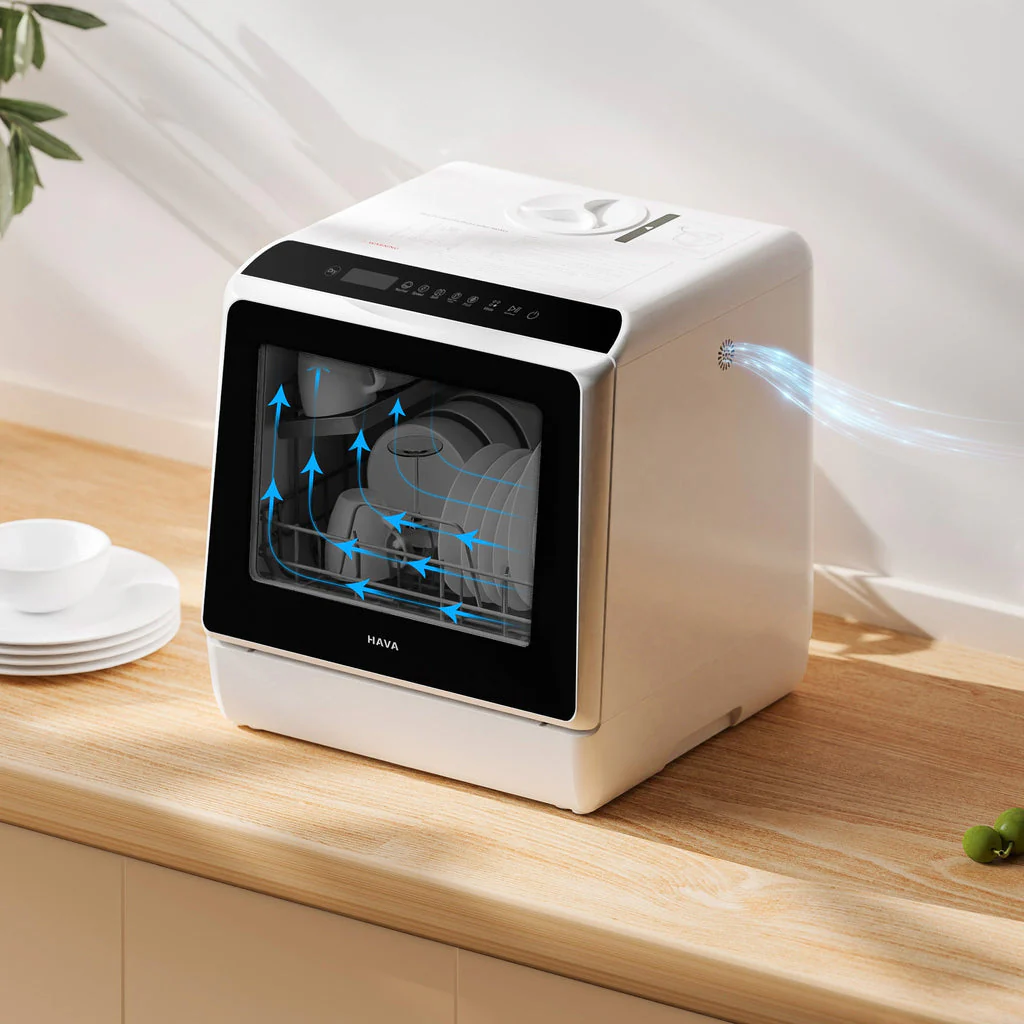
Some countertop dishwasher models with digital controls and programmable settings can experience internal logic states that cause cycle times to run longer than normal without a physical component being the cause. This is uncommon but documented in certain models and is worth considering when other causes have been excluded.
A factory reset of the machine’s control system, performed according to the manufacturer’s instructions in the manual, can resolve programming-related cycle time issues if the control unit has entered an unexpected state. The reset procedure varies between models but typically involves holding specific button combinations for several seconds.
After a reset, run a test cycle on the normal programme and compare the duration against the manual’s stated time for that cycle. If the cycle time returns to the designed duration, a control system state was the cause and the reset has resolved it. If the extended cycle time persists after reset, the cause is hardware rather than software.
11. The Door Seal Is Worn or Misaligned
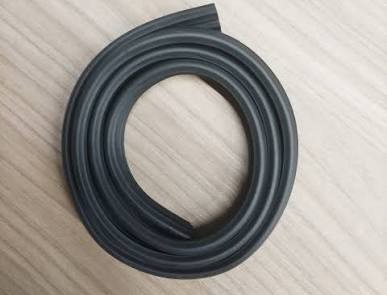
A worn or misaligned door seal allows heat to escape from the machine interior during the wash phase. The temperature sensor detects that the internal temperature is not reaching or maintaining the target level and extends the heating phase to compensate for the heat loss through the compromised seal.
A seal that is visibly compressed, flattened, cracked, or that shows gaps when the door is closed is functioning below its design specification. Even a small gap in the seal creates enough heat loss to require meaningfully extended heating time over a full cycle.
Inspecting the door seal by running a finger along its full perimeter when the door is open reveals visible damage, deformation, or areas where the seal has pulled away from the door frame. Pressing the seal gently back into its channel in areas where it has lifted can restore adequate sealing temporarily, but a seal that has been compromised significantly should be replaced for reliable cycle performance.
A replacement seal is typically one of the less expensive service parts for dishwashers and is available from the manufacturer or through appliance parts suppliers. Replacing a worn seal is a straightforward user maintenance task on most countertop dishwasher models.
If your current dishwasher consistently runs long cycles or struggles to keep up with daily use, it may be time for an upgrade. Explore our guide to the top countertop dishwashers for efficient cleaning and compare models that deliver faster, more reliable performance.
12. The Machine Is Old and Components Have Worn
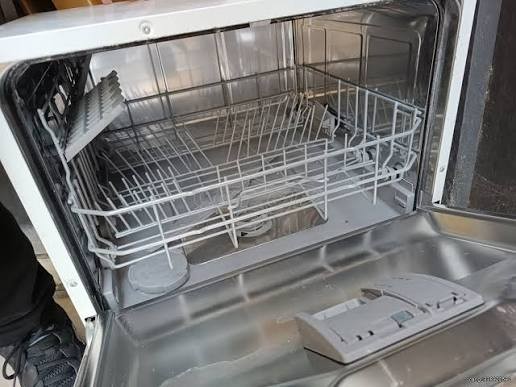
As a countertop dishwasher ages, the cumulative wear on its components affects their efficiency in ways that collectively extend cycle time even when no single component has failed completely.
The pump motor’s efficiency decreases gradually over years of use. A motor that delivered the design water pressure at rated power consumption when new requires more time to circulate the same water volume as wear increases its internal resistance. The heating element, even without scale buildup, loses efficiency marginally over time. The spray arm bearings develop more friction, slightly reducing rotation speed.
Each of these individual degradations is small, but collectively across a machine with several years of use, they can account for a meaningful extension in cycle time that does not respond to standard maintenance because the cause is component wear rather than maintenance-addressable accumulation.
For machines that are several years old and showing extended cycle times alongside reduced cleaning performance and other signs of age-related decline, evaluating whether repair or replacement makes more economic sense is the appropriate consideration. The cycle time extension from component wear is not reversible through maintenance alone.
Diagnosing Cycle Time Issues Efficiently
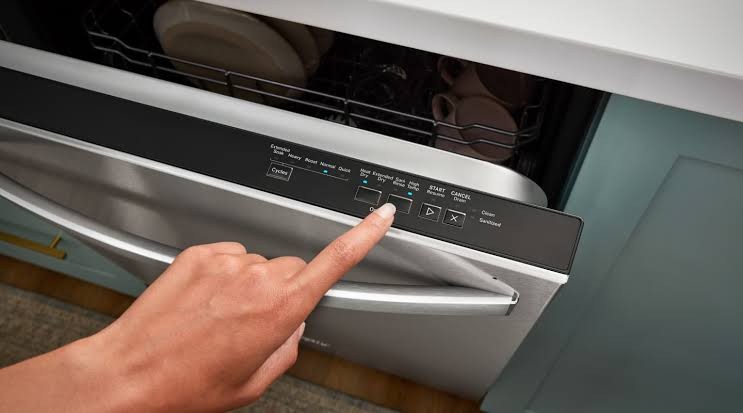
The most practical approach to diagnosing extended cycle time is to work through causes in order of likelihood rather than investigating the most complex possible cause first.
Start with descaling if the machine has not been descaled recently, because heating element scale is the most common single cause and its resolution is the maintenance step with the highest impact across multiple cycle time causes simultaneously. Follow with filter cleaning, spray arm inspection, and inlet hose check. These four maintenance steps address the overwhelming majority of extended cycle time causes.
If cycle time remains extended after completing these maintenance steps, investigate inlet water temperature, cycle selection, and drain performance as the next tier of causes. Only after all of these have been ruled out is a component fault the likely explanation.
The machine is giving you accurate feedback about its condition through the cycle time it takes. Understanding the language of that feedback makes the diagnosis straightforward rather than mysterious.
FAQs About Countertop Dishwashers Taking Too Long
Some machines run longer in initial cycles as the heating element establishes its first contact with water and the machine’s systems calibrate. If cycle time normalises after the first two or three uses, this is expected behaviour rather than a fault.
A timer that adds time mid-cycle indicates the machine’s automatic extension logic is activating. This is typically a temperature-based extension where the water has not reached the target temperature within the designed heating window, triggering additional heating time before the cycle can progress.
Colder incoming water temperature in winter requires more internal heating to reach wash temperature, extending the heating phases. Running the hot tap before starting the machine warms the inlet water and typically resolves the seasonal cycle time difference.
Yes, through two mechanisms. Scale buildup on the heating element reduces its efficiency and extends heating phases. Mineral deposits throughout the machine also affect pump efficiency and water flow. Regular descaling in hard water areas prevents this extension from developing.
Yes. A severely clogged filter can add ten to twenty minutes to cycle time by reducing water circulation efficiency and triggering the machine to run the pump longer to compensate. Cleaning the filter is one of the first maintenance steps to try when cycles have become noticeably longer.
Start with descaling and filter cleaning, as these address the two most common causes of universal cycle extension. If cycle time does not improve after thorough descaling and filter cleaning, check the inlet hose for kinks and ensure the incoming water temperature is adequate. If all maintenance steps are completed and cycle time remains extended, a component fault is the likely remaining cause.
If thorough maintenance including descaling, filter cleaning, spray arm cleaning, and seal inspection does not improve cycle time, and the machine is more than four to five years old, evaluating replacement is reasonable. The cost of professional repair for internal component faults in compact dishwashers often approaches the cost of a new machine.